Donald Trump’s long-standing friction with mainstream media flared again when he launched a blistering attack on 60 Minutes for referencing a gunman’s manifesto during a recent interview. The confrontation, rooted in questions about violent rhetoric and political responsibility, underscores a broader tension between high-profile figures and journalistic accountability—especially in the shadow of real-world violence.
This isn’t just another media feud. It’s a flashpoint over whether public figures should be answerable when extremist actors cite their rhetoric in manifestos. Trump’s immediate and aggressive response—labeling the inquiry as “disgusting” and “biased”—has drawn sharp reactions from press advocates, political analysts, and former security officials.
What Sparked Trump’s Outburst on 60 Minutes?
The moment unfolded during a tightly controlled interview segment with 60 Minutes correspondent Scott Pelley. After a series of policy questions, Pelley pivoted to a topic that has dogged Trump for years: the alleged influence of his rhetoric on politically motivated violence.
Specifically, Pelley referenced a 2023 incident where a disturbed individual attempted an attack at a political rally. Authorities later recovered a digital manifesto that contained multiple references to Trump’s speeches, conspiracy theories, and calls for “revolution.” The document, while not directly inciting violence on a national scale, echoed familiar themes from Trump’s most fiery campaign rhetoric.
Pelley’s question was direct: “Do you accept any responsibility for the words you use, especially when they appear in a manifesto linked to someone planning violence?”
Trump’s reaction was swift and combative. He interrupted, accusing Pelley of pushing a “fake narrative” and suggesting the media was manufacturing guilt by association. “They’re sick people,” Trump said of attackers. “They would have done it anyway. This is an attack on free speech.”
The Pattern of Trump’s Media Confrontations
Trump’s response fits a well-documented pattern. Throughout his presidency and post-presidency, he has consistently dismissed or deflected criticism from major news outlets, branding them “the enemy of the people.” His relationship with 60 Minutes has been particularly volatile.
Past interviews reveal a man who tolerates little deviation from his messaging script: - In 2016, he walked out of a 60 Minutes interview after learning questions would include his tax returns. - In 2020, he refused to participate in a follow-up segment after disagreeing with editing choices. - Now, in this latest episode, he didn’t walk out—but he did try to shut down the line of questioning entirely.
What makes this instance different is the gravity of the subject. This wasn’t about taxes, polls, or policy disagreements. It was about whether his words—repeatedly broadcast to millions—could radicalize vulnerable individuals.
Why the Manifesto Mention Matters
Manifestos tied to political violence are not new. But in the digital age, they circulate faster and are more analyzable than ever. Forensic linguists and threat assessment experts now routinely compare extremist writings with public speeches to identify ideological influences.
In this case, the gunman’s text contained: - Direct quotes from Trump’s 2020 post-election speeches - References to “stolen elections” and “swamp creatures” - A distorted timeline aligning with Trump’s “Save America” rallies
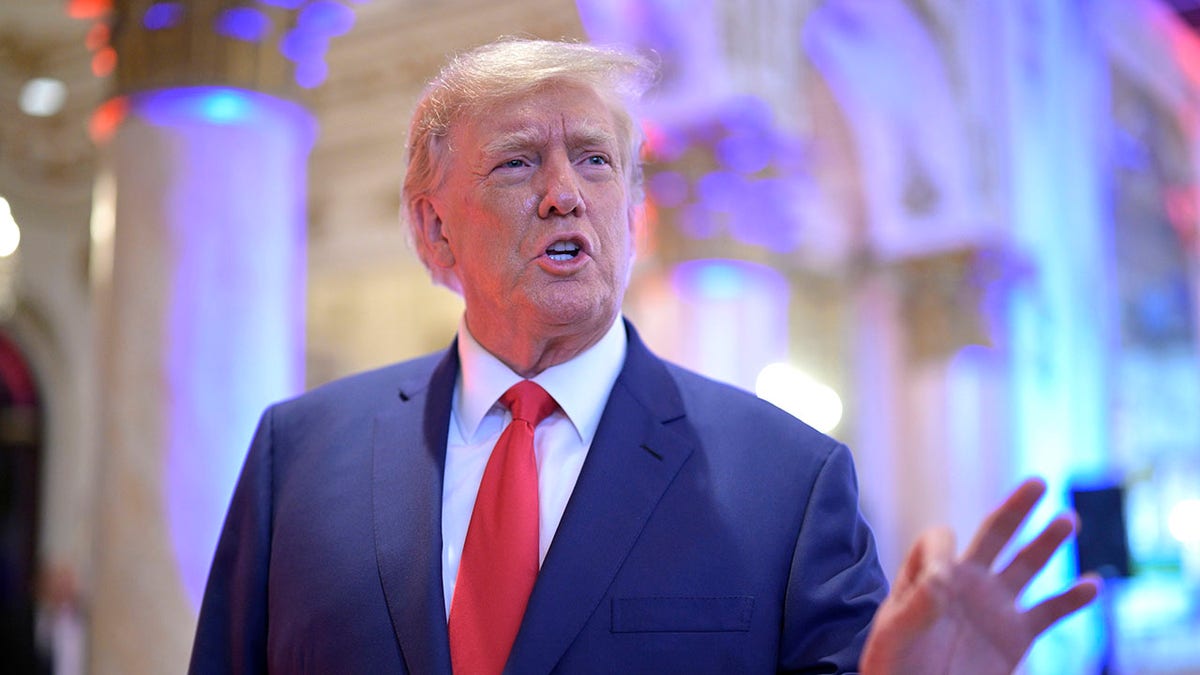
While no court has linked Trump legally to the incident, the rhetorical overlap raises troubling questions. Law enforcement agencies, including the FBI, have quietly acknowledged that figures like Trump occupy a unique space: their words can inspire action, even when not explicitly inciting it.
Trump’s refusal to acknowledge this dynamic frustrates critics. “He speaks in dog whistles,” said Dr. Lena Cho, a political psychologist at George Mason University. “But when the hounds respond, he pretends he never blew the whistle.”
Media’s Tightrope: Accountability vs. Amplification
60 Minutes faced a dilemma: address the manifesto connection or risk journalistic negligence. Yet by raising it, the show also risks amplifying fringe ideologies or appearing to suggest causation where only correlation exists.
This balancing act is central to modern political reporting. Journalists must: - Report on threats to public safety - Avoid giving platforms to extremist narratives - Hold powerful figures accountable without engaging in guilt-by-association
Pelley’s approach—measured, evidence-based, and grounded in documented facts—was textbook responsible journalism. But in today’s polarized climate, even measured questions can be seen as attacks.
Trump’s team quickly mobilized. Within hours, campaign emails went out branding the segment “another hit job.” Social media allies echoed the sentiment, accusing CBS of “psy-ops” and “election interference.”
The Legal and Ethical Gray Zone
No U.S. law currently holds politicians liable for how extremists interpret their words—unless there’s clear incitement to imminent lawless action, per the Brandenburg v. Ohio standard. Trump’s rhetoric, while inflammatory, typically stops short of direct calls for violence.
Still, experts argue there’s a moral dimension. “Free speech doesn’t mean consequence-free speech,” said constitutional scholar David Strauss. “When you’re speaking to millions, you have a civic duty to consider the likely effects.”
Trump has long rejected this notion. In his view, criticism—especially following violent incidents—is a political weapon. “They always bring this up when they want to silence me,” he said in a Truth Social post following the interview.
But data suggests otherwise. A 2023 University of Pennsylvania study found that attacks or threats against officials spiked 22% in the 48 hours after Trump made confrontational statements about the election or the judiciary.
How Other Leaders Have Handled Similar Scrutiny
Trump’s response contrasts sharply with how other world leaders have reacted when extremists cite their rhetoric.
- Jacinda Ardern (New Zealand): After the Christchurch mosque shootings, the gunman’s manifesto referenced anti-immigration rhetoric. Ardern immediately condemned hate speech and led a global push for social media reform.
- Angela Merkel (Germany): When far-right extremists referenced anti-refugee sentiments, Merkel tightened laws on hate speech and distanced herself from inflammatory language.
- Justin Trudeau (Canada): After the 2022 convoy protests turned violent, Trudeau acknowledged that misinformation played a role and pushed for digital accountability.
What unites these responses? A willingness to engage with uncomfortable questions about influence and responsibility. Trump, by contrast, defaults to defiance.
This isn’t just about optics. It shapes how future leaders are expected to behave. When violence is in the air, the public looks to figures of power for de-escalation—not deflection.
The Bigger Picture: Rhetoric, Responsibility, and Democracy
The 60 Minutes exchange matters because it gets to the heart of democratic health: how do we handle speech that may inspire violence without sacrificing free expression?
There are no clean answers. But there are responsible practices: - Public figures should avoid dehumanizing language (e.g., “vermin,” “traitors”) - Media should report on extremist links factually, not sensationally - Platforms must flag dangerous content without censoring debate

Trump’s rhetoric—long on confrontation and short on reconciliation—exists in a space where intent and impact diverge. He claims to be a victim of bias. But critics argue he benefits from the chaos he denounces.
The gunman in question was undeniably unstable. But instability isn’t vacuum-sealed. It feeds on narratives. And when a former president repeats claims of electoral theft to millions, he doesn’t get to ignore the fallout.
What This Means for the 2024 Election
As Trump campaigns for a return to the White House, the 60 Minutes clash is more than a media squabble—it’s a preview of what’s to come.
Voters will face a central question: Do they want a leader who rejects accountability for the effects of his words?
Polls suggest a split: - 62% of Republicans view the 60 Minutes question as “unfair” - 58% of independents believe Trump should address such concerns - 71% of Democrats see the manifesto link as “serious”
More than policy, this is about temperament. Can a candidate who lashes out at basic journalistic inquiry be trusted to unite a fractured nation?
History offers caution. In the months before January 6, Trump downplayed threats, mocked intelligence reports, and dismissed warnings about radicalized supporters. The result was a violent attack on the Capitol.
Now, the cycle risks repeating.
The Way Forward: Asking Hard Questions Without Fear
The role of media isn’t to protect power—it’s to question it. When 60 Minutes asked about the gunman’s manifesto, it wasn’t smearing Trump. It was doing its job.
Responsible journalism means asking tough questions, even when the subject reacts with fury. And responsible leadership means answering them—not with insults, but with reflection.
Trump may never accept that. But the public can still demand better.
For voters, the takeaway is clear: pay attention not just to what candidates say, but to how they respond when challenged. Silence, deflection, or rage in the face of accountability tells its own story.
Hold the powerful to a higher standard. That’s not bias. It’s democracy.
Frequently Asked Questions
Why did Trump react so strongly to the 60 Minutes question? Trump views media scrutiny—especially around violence—as part of a broader effort to discredit him. He often frames such questions as attacks on free speech to rally his base.
Did the gunman actually cite Trump in the manifesto? Yes, investigators confirmed the digital manifesto included quotes from Trump’s speeches and promoted election conspiracy theories he has endorsed.
Can a politician be held responsible for an attacker’s actions? Legally, only if they directly incited imminent violence. Morally, many argue leaders have a duty to consider how their rhetoric may influence unstable individuals.
Has 60 Minutes faced backlash for the interview? Some Trump supporters accused the show of bias, but press freedom organizations praised the network for asking necessary, evidence-based questions.
What was Scott Pelley’s tone during the exchange? Pelley remained calm and factual, avoiding emotional language. His approach followed standard journalistic ethics for high-stakes interviews.
How has the White House responded? The current Biden administration has not commented directly, but press aides have reiterated the importance of responsible rhetoric in public life.
Could this affect Trump’s 2024 campaign? It may reinforce concerns among undecided voters about Trump’s temperament and accountability, though his core base is likely to see the interview as unfair targeting.
FAQ
What should you look for in Trump Slams 60 Minutes Over Shooter Manifesto Question? Focus on relevance, practical value, and how well the solution matches real user intent.
Is Trump Slams 60 Minutes Over Shooter Manifesto Question suitable for beginners? That depends on the workflow, but a clear step-by-step approach usually makes it easier to start.
How do you compare options around Trump Slams 60 Minutes Over Shooter Manifesto Question? Compare features, trust signals, limitations, pricing, and ease of implementation.
What mistakes should you avoid? Avoid generic choices, weak validation, and decisions based only on marketing claims.
What is the next best step? Shortlist the most relevant options, validate them quickly, and refine from real-world results.