When Eliud Kipchoge crossed the finish line in Vienna in 2019, he didn’t just break the two-hour marathon barrier—he shattered it. The moment was historic, but almost as captivating was what he wore on his feet: a pair of shoes so light they weighed less than a standard bar of soap. These weren’t ordinary trainers. They were precision-engineered instruments of speed, built to minimize weight, maximize energy return, and push the limits of human endurance.
The phrase “lighter than a bar of soap” is no exaggeration. Most hotel-sized soap bars weigh between 80 to 100 grams. The latest generation of elite marathon racing shoes come in at roughly 180 to 220 grams per shoe—still less than a bar of soap when you consider the pair often weighs under twice that. But more than weight, it’s the combination of ultralight materials, advanced foam, and carbon-fiber propulsion plates that turned these shoes into game-changers.
This isn’t just about shaving seconds off a marathon. It’s about reengineering the very interface between athlete and asphalt.
Why Weight Matters More Than You Think
Runners obsess over weight for a reason: every extra gram multiplies over 42.2 kilometers. Carrying heavier shoes increases energy expenditure with each stride. Studies show that for every 100 grams added per shoe, runners expend approximately 1% more energy over the course of a marathon. That may sound minor, but in elite racing, where margins are measured in seconds, it can mean the difference between first and fifth.
Now reverse the equation. Shoes lighter than a bar of soap—engineered to be as minimal as possible without sacrificing propulsion—can reduce fatigue, improve turnover, and allow athletes to maintain faster paces deeper into the race.
Take the Nike ZoomX Vaporfly Next% series. The Next% 3 clocks in at around 188 grams for a men’s size 9. That’s lighter than an iPhone SE and roughly the weight of three AA batteries. Yet, it delivers one of the highest energy returns ever measured in a running shoe—up to 85% in lab tests—thanks to its full-length ZoomX foam midsole and stiff carbon-fiber plate.
The Science Behind the So-Called “Super Shoes”
The term “super shoes” entered the running lexicon around 2017, coinciding with a wave of record-breaking marathon times. What defines them?
- Ultra-light, resilient midsole foam (like ZoomX or Pebax-based compounds)
- Full-length carbon-fiber plate for propulsion and stability
- Aggressive geometry (high stack height, pronounced rocker shape)
- Minimal upper materials (engineered mesh, no reinforcements)
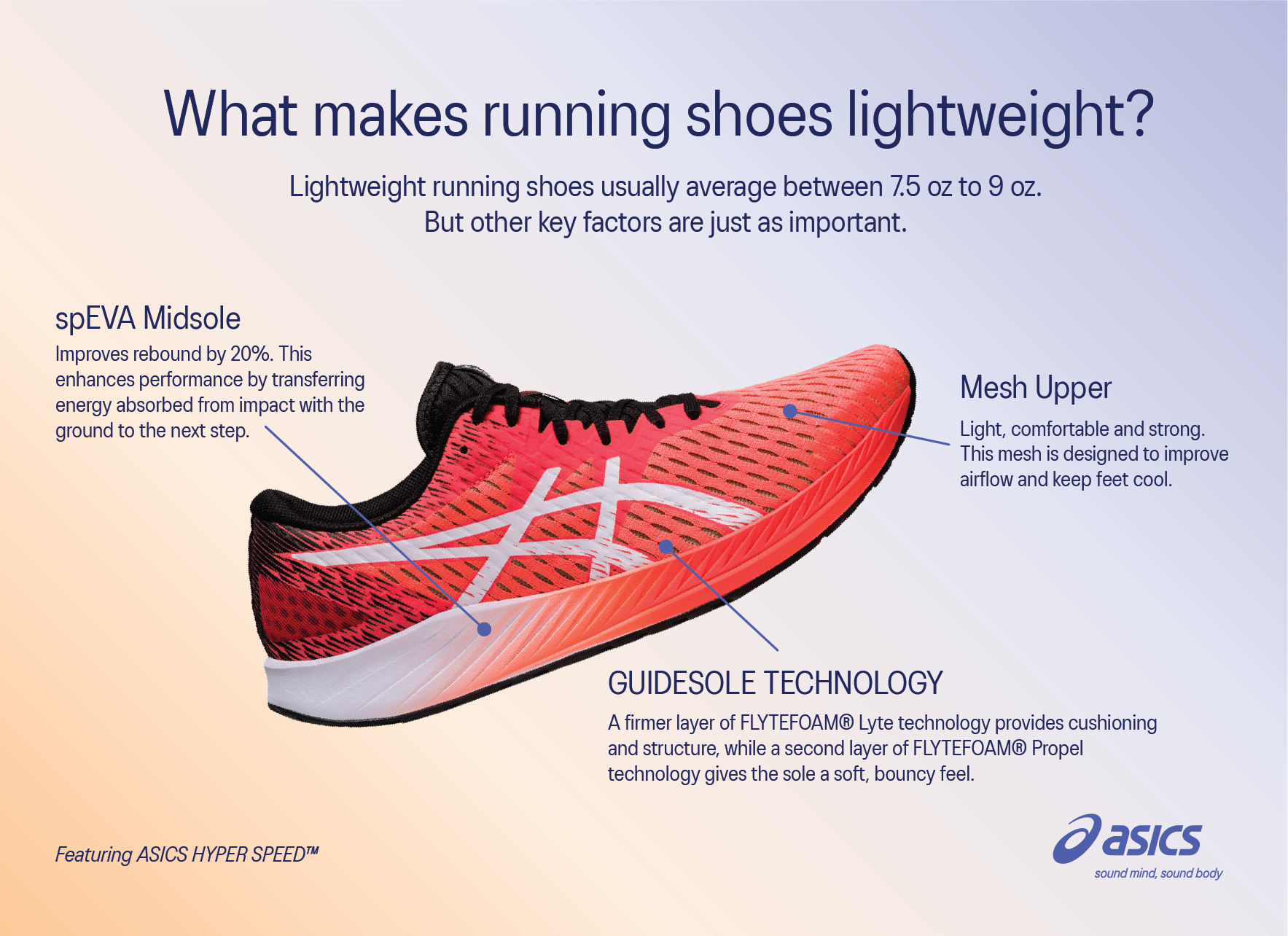
These elements work together to create what biomechanists call “metabolic efficiency.” The carbon plate acts like a spring, storing and releasing energy with each toe-off. The foam compresses easily but rebounds quickly, reducing the work your muscles have to do. The lightweight upper cuts unnecessary mass while maintaining lockdown.
This is why, within two years of the Vaporfly’s debut, 31 of the 36 fastest marathon times in history were set in Nike’s super shoes. Critics argued they were “technological doping,” but the shoes were legal—and effective.
How Light Shoes Can Backfire
Despite their advantages, ultralight racing shoes aren’t for everyone. In fact, they can be detrimental under the wrong conditions.
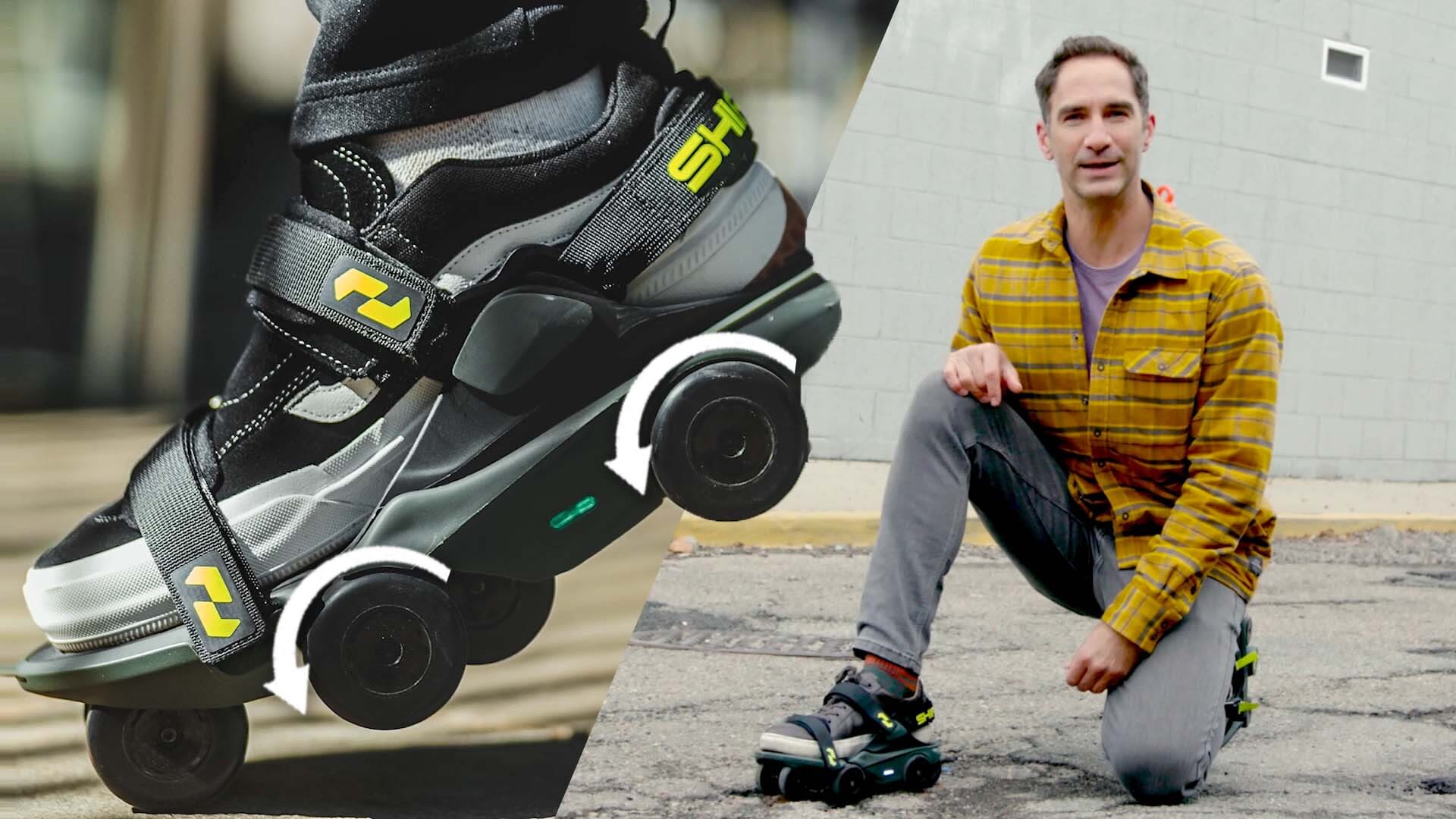
Common mistakes: - Wearing them in training instead of recovery or long runs - Using them on uneven terrain where stability is compromised - Expecting them to compensate for poor fitness or form
These shoes are designed for optimal conditions: flat courses, elite-level biomechanics, and runners with strong lower limbs. The stiff plate and elevated heel require strong calves and Achilles tendons. Runners with a history of plantar fasciitis or tight Achilles may find the aggressive rocker shape aggravating.
Additionally, the minimal upper offers little protection. On a gritty city marathon or a trail-influenced course, debris can work its way in. And while the ZoomX foam is incredibly responsive, it’s also less durable than traditional EVA—meaning these shoes often last fewer than 200 miles.
Bottom line: Lighter isn’t always better if your body isn’t ready for it.
Real-World Use: Beyond the Elite
You don’t have to be Olympic-caliber to benefit from lightweight marathon shoes—but you do need a strategy.
For amateur runners aiming to break 3:30 or 3:00, a pair of super shoes can be a legitimate performance multiplier. But they should be used wisely:
- Race day only: Reserve them for target races, not weekly tempo runs
- Break them in: Run 10–15 miles in them before race day to avoid hot spots
- Pair with the right socks: Thin, seamless, moisture-wicking materials prevent blisters
- Practice fueling in them: Some runners report altered stride mechanics, which can affect nutrition timing
Many runners report feeling “bouncy” or “on their toes” in super shoes at first. It takes time to adapt to the propulsion effect. A 4-week taper that includes two race-pace runs in the shoes helps the body recalibrate.
One Boston qualifier we interviewed dropped 4.5 minutes off his personal best after switching from a traditional racing flat to the Adidas Adizero Adios Pro 3. “It felt like I was getting a little push forward with every step,” he said. “Not magic—but definitely momentum I hadn’t felt before.”
Engineering a Revolution: The Materials That Made It Possible
The real breakthrough behind the “lighter than a bar of soap” shoes wasn’t just design—it was materials science.
ZoomX Foam: Developed by Nike in collaboration with Dow Chemical, this Pebax-based foam is 13% lighter and 40% more energy-return efficient than traditional EVA. It’s the same material used in aerospace insulation—now repurposed for foot propulsion.
Carbon-Fiber Plates: Thin, rigid, and precisely tuned, these plates reduce ankle joint work by encouraging a faster toe-off. They’re not new—conceptually, they’ve been around since the 1980s—but only recent advances in layup techniques and foam compatibility have made them effective at scale.
Engineered Mesh Uppers: The upper of a modern super shoe often weighs less than 30 grams. Woven from ultra-thin monofilaments, it provides structure without bulk. Some models, like the Saucony Endorphin Pro 3, use a minimalist single-layer mesh with targeted heat-fusion overlays—no stitching, no glue, no excess.
Put it all together, and you have a shoe that’s not just light, but intelligent in how it manages energy, load, and motion.
The Evolution of the Record-Shattering Shoe
The progression of marathon shoes tells a story of relentless innovation:
| Model | Weight (Men’s Size 9) | Key Innovation | Marathon Record Set? |
|---|---|---|---|
| Nike ZoomX Vaporfly Next% | 210g | First-gen ZoomX + carbon plate | Yes – Berlin 2018 |
| Nike Vaporfly 2 | 200g | Improved plate geometry | Yes – London 2022 |
| Nike ZoomX Vaporfly Next% 3 | 188g | Thinner upper, refined foam | Yes – Berlin 2023 |
| Adidas Adizero Adios Pro 3 | 213g | Lightstrike Pro foam, energy rods | No – but sub-2:02 times |
| New Balance FuelCell RC Elite v2 | 205g | Carbon plate + Nitrogen-infused foam | Yes – Boston 2023 |
Each iteration has shaved grams, improved responsiveness, and refined fit. But the core formula remains: reduce weight, amplify return, and guide the foot through an efficient gait cycle.
Nike still dominates the elite racing scene, but rivals have closed the gap. Adidas, Hoka, Saucony, and New Balance now field competitive models that challenge the Vaporfly’s throne—without relying on the same foam or plate design.
Are We Hitting the Limits?
Even as shoes get lighter and faster, questions remain: How much faster can we go? And at what point does technology overshadow human effort?
World Athletics responded to the super shoe boom by imposing limits: - Soles cannot exceed 40mm in thickness - Only one rigid embedded plate is allowed - Shoes must be available for public sale for at least four months before use in competition
These rules slowed the arms race—but didn’t stop innovation. Brands now focus on fine-tuning rather than radical overhauls: better foam formulas, optimized plate stiffness, and aerodynamic lacing.
Still, the “lighter than a bar of soap” benchmark may be near its ceiling. Current materials science struggles to balance durability, propulsion, and weight beyond a certain threshold. Future gains may come from customization—3D-printed midsoles tuned to individual runners’ biomechanics—or bio-integrated feedback systems.
But for now, the shoes that shattered the two-hour barrier remain the gold standard: featherlight, brutally efficient, and built for one purpose—speed.
Final Word: Choose Smart, Run Faster
If you’re chasing a personal best, investing in a pair of modern racing shoes is one of the highest-ROI decisions you can make. But don’t just buy the lightest model on the shelf. Consider your biomechanics, race conditions, and experience level.
Test them in intervals. Practice your pacing. Know how they feel at mile 18, not just mile 1.
And remember: no shoe, no matter how light, will carry you through a marathon. But the right one—engineered like the ones that broke records—can make the effort feel a little easier, the finish line a little closer.
Choose wisely. Run purposefully. And let your feet do what they were made to do—faster than ever.
FAQ:
Are shoes lighter than a bar of soap durable enough for a marathon? Yes—designed for race day, they’re built to last the full 26.2 miles, though not much longer.
Can beginners use super shoes? They can, but should build strength first and avoid overuse to prevent injury.
Why are carbon plates important in lightweight shoes? They improve energy return and running economy by reducing muscle effort during toe-off.
Do lighter shoes always lead to faster times? Not necessarily—fit, form, and training matter just as much as shoe weight.
How do I know if a lightweight racing shoe fits me? Look for snug heel lockdown, room in the toe box, and no pressure points after a 3-mile test run.
Are Nike Vaporflies really the best for breaking records? They’ve been dominant, but Adidas, Saucony, and New Balance now offer competitive alternatives.
Can I train in marathon racing shoes? Not regularly—reserve them for race day and short, high-intensity sessions to preserve lifespan.
FAQ
What should you look for in Lighter Than a Bar of Soap: The Shoes That Broke Marathon Records? Focus on relevance, practical value, and how well the solution matches real user intent.
Is Lighter Than a Bar of Soap: The Shoes That Broke Marathon Records suitable for beginners? That depends on the workflow, but a clear step-by-step approach usually makes it easier to start.
How do you compare options around Lighter Than a Bar of Soap: The Shoes That Broke Marathon Records? Compare features, trust signals, limitations, pricing, and ease of implementation.
What mistakes should you avoid? Avoid generic choices, weak validation, and decisions based only on marketing claims.
What is the next best step? Shortlist the most relevant options, validate them quickly, and refine from real-world results.