Most safety meetings fail before they begin—too generic, too rushed, too forgettable. A toolbox talk isn't just another box to check. It’s a frontline opportunity to change behavior, prevent incidents, and reinforce a culture where safety is spoken, not just posted.
The difference between an effective talk and a wasted five minutes? Relevance. The best toolbox talk topics connect directly to what crews are doing right now, address real risks they face, and do it in language they understand. This isn’t about reading from a script. It’s about starting conversations that stick.
Below are high-impact topics that consistently drive engagement and improve safety outcomes—backed by real-world use and field-tested results.
Why the Right Topic Matters
Choosing the right topic is the foundation. A talk on fall protection when workers are doing ground-level electrical work may be important, but it won’t land. Timing and context turn awareness into action.
The strongest toolbox talks: - Match current site activity - Address observed or reported near-misses - Involve crew input - Include a clear takeaway or behavioral cue
Example: After a near-miss with a forklift turning a blind corner, a talk on “visibility and blind spots around heavy equipment” hits harder than a generic “vehicle safety” session. Workers recognize the scenario. That’s when learning clicks.
1. Hazard Identification on the Ground
This isn’t theoretical—you’re not asking crews to guess what might go wrong. You’re training them to spot what is going wrong.
How to run it: Walk the immediate work area with the crew. Point to real hazards: a frayed extension cord, blocked fire exit, unmarked trench edge. Ask: What could happen here? How would we stop it?
Common mistake: Presenting hazard ID as a one-off exercise. Instead, make it a habit—use the same 3–5 minute scan before every shift.
Use case: On a commercial build, a crew spots a temporary scaffold plank with a hidden crack during a hazard ID session. They tag it out—and avoid a potential fall.
Pro tip: Take photos of actual site conditions (not stock images). Use them in the talk. Real = relatable.
2. Personal Protective Equipment (PPE) – Beyond the Checklist
Everyone knows they need hard hats and gloves. But compliance isn’t the same as proper use.
This topic digs into: - Wearing PPE correctly (e.g., harness D-rings facing up) - Inspecting gear before use - Knowing when PPE isn’t enough (e.g., relying on gloves instead of isolating a live wire)
Real limitation: Workers often remove PPE in hot weather or for “quick tasks.” Address why—then problem-solve. Can we schedule high-exertion work during cooler hours? Can we improve ventilation?
Example: A talk focused on high-visibility clothing during dawn shifts led to crews adopting reflective tool belts—boosting visibility without adding bulk.
Actionable cue: “Inspect it before you strap it.” Encourage workers to check their gear every time, not just at the start of the week.
3. Lifting Techniques and Manual Handling
Back injuries remain one of the top causes of lost-time claims—but improper lifting talks are often too vague.
Level up your approach: - Demonstrate proper lifting using real loads (e.g., a bag of drywall compound) - Discuss team lifts: how to coordinate, who calls the moves - Introduce mechanical aids: hand trucks, hoists, dollies—and why skipping them isn’t saving time
Crew challenge: Ask workers to share a time they hurt themselves lifting. Most sites have at least one story. Use it—respectfully—to show this isn’t hypothetical.
Workflow tip: Position lifting aids near high-traffic material zones. If it’s easier to grab a dolly than to lift, people will use it.
4. Working at Height – Anchor Points, Edges, and Awareness
Falls are preventable—but prevention starts with awareness.
A strong talk on working at height includes: - Confirming anchor points are load-rated and inspected - Marking unprotected edges—even on low platforms - Using tools with lanyards to prevent dropped objects
Critical oversight: Workers often secure themselves but forget their tools. A dropped wrench from 30 feet can be fatal.
Use case: A telecom crew began tethering every tool during tower work after a talk showed video of a dropped battery pack shattering on a hard hat below. No one was hurt—but the near-miss changed behavior.
Checklist to share: - Harness inspected? ✅ - Anchor point confirmed? ✅ - Tool lanyards attached? ✅ - Edge marked? ✅
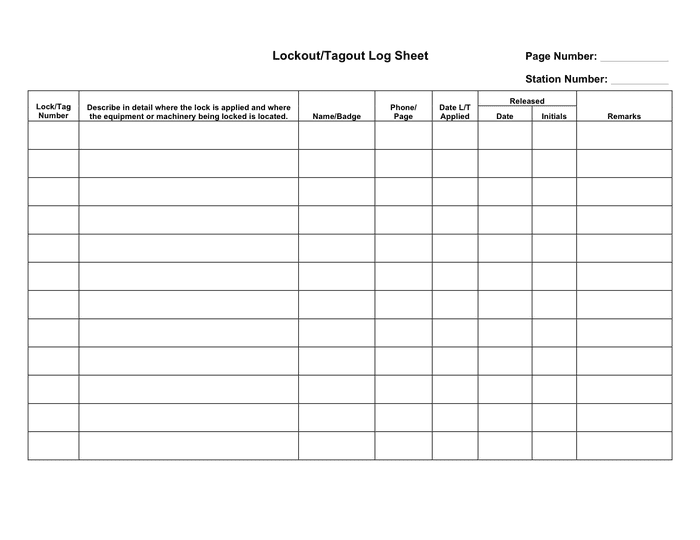
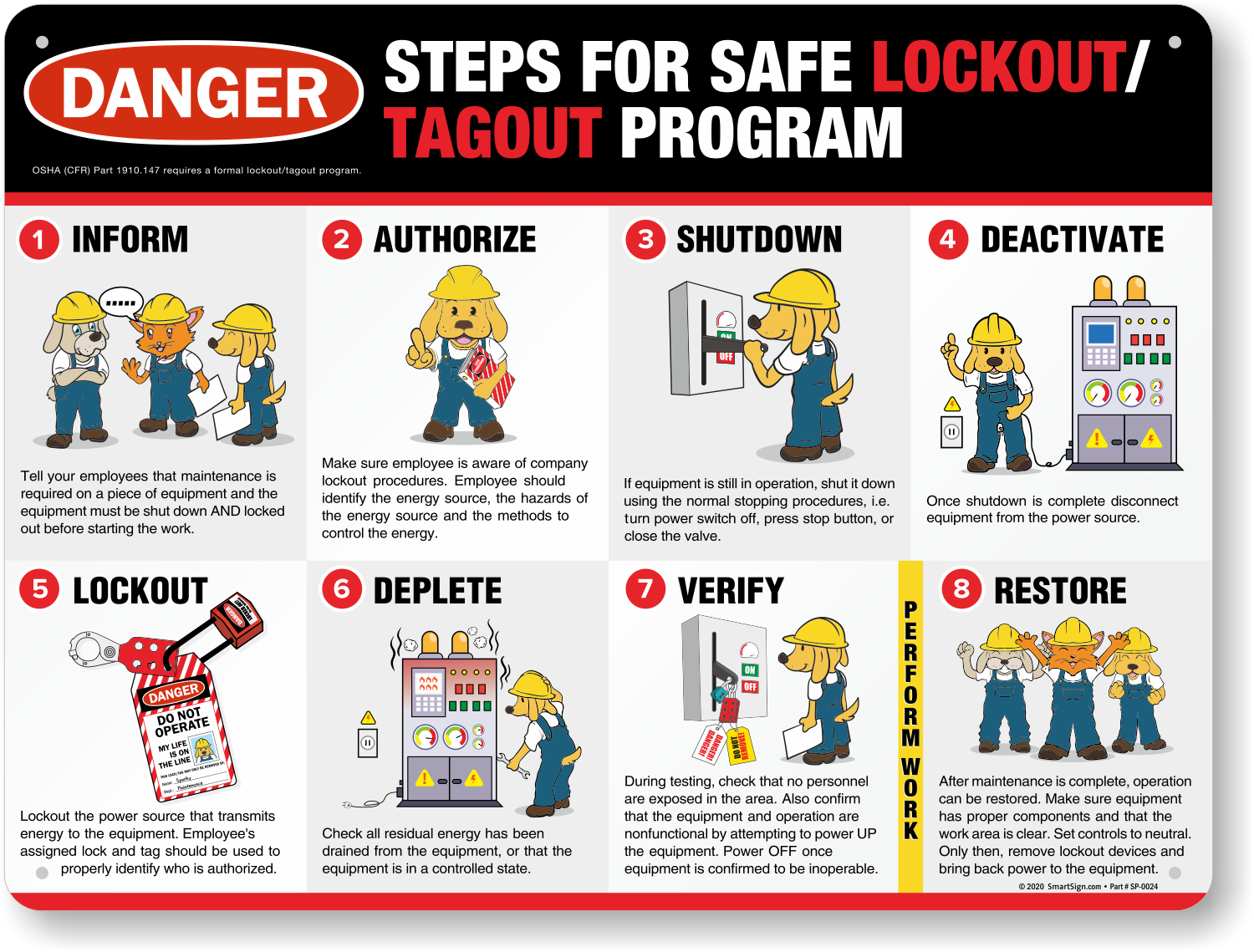
5. Lockout/Tagout (LOTO) – Clarity Over Compliance
LOTO procedures save lives. But too often, they’re treated as paperwork, not protection.
Focus your talk on: - What energy sources are present (electrical, hydraulic, pneumatic) - Why “just turning it off” isn’t enough - The personal responsibility of verifying isolation
Real mistake: A worker assumes a machine is locked out because they saw a tag—without checking the energy source. Talks should stress: Verify it yourself.
Practical drill: Run a mock LOTO on a non-critical machine. Have workers walk through each step—from notification to re-energizing. Muscle memory matters.
“If it can start, it can kill. Lock it, tag it, test it.”
6. Slips, Trips, and Falls – The Silent Injury Chain
Not all falls happen from height. Most occur on the same level—often due to clutter, spills, or poor housekeeping.
Effective angle: Tie this to workflow efficiency. A clean site isn’t just safer—it’s faster.
Topics to include: - Coiling hoses and cords after use - Immediate cleanup of spills - Designated walkways and material storage
Crew involvement: Assign a “5-minute sweep” at shift end. Let teams vote on the cleanest zone weekly—small rewards reinforce habit.
Data point: OSHA estimates 15–20% of workplace injuries are from slips and trips. Yet it’s one of the most preventable categories.
7. Heat Stress and Hydration – More Than Just Water
In hot environments, dehydration creeps in fast. But workers often don’t recognize the early signs.
A strong heat stress talk covers: - Early symptoms (headache, cramping, irritability) - The role of electrolytes - Rest break protocols (shade, cooling vests) - Acclimatization for new workers
Real limitation: Workers may avoid drinking water to reduce bathroom trips. Address it head-on: “We schedule breaks. Use them.”
Use case: A road crew in Arizona reduced heat incidents by 70% after implementing mandatory shaded cooldown breaks and issuing electrolyte packets with every water bottle.
Pro tip: Monitor wet bulb globe temperature (WBGT), not just air temp. It’s a more accurate indicator of heat risk.
8. Mental Focus and Fatigue Management
Fatigue is a hidden hazard. A distracted worker is as dangerous as an unsecured scaffold.
Discuss: - Signs of mental fatigue (slowed reaction, missed steps) - The impact of long shifts or overtime - How to speak up when tired

Cultural barrier: Many workers feel they’ll be seen as weak for admitting fatigue. Normalize the conversation: “If you’re too tired to work safely, you’re not lazy—you’re responsible.”
Workflow integration: Supervisors should scan for behavioral cues: repeated errors, slow movement, lack of communication.
“Tired eyes miss hazards. Tired minds make bad calls.”
9. Emergency Response – Know the Plan, Not Just the Phone Number
Everyone knows to call 911. But what do they do before that?
A good emergency talk includes: - Location of first aid kits and AEDs - Site-specific evacuation routes - Roles during an incident (who reports, who assists, who leads)
Practice gap: Most crews never do a live drill. Run a surprise 2-minute evacuation. Time it. Debrief.
Use case: During a mock fire drill, a crew realized their primary exit was blocked by delivery trucks. They updated the plan the same day—adding a secondary route and coordinating with logistics.
Rule: Emergency plans only work if they’re known, practiced, and updated.
10. Near-Miss Reporting – Turn Close Calls into Change
The best safety data comes from incidents that almost happened.
Barriers to reporting: - Fear of blame - Belief that “nothing happened, so why report?” - Complicated forms
Solve it by: - Celebrating reports, not punishing them - Sharing what changed because of a near-miss - Using simple verbal or digital reporting
Powerful example: A worker reported a ladder slipping on a wet surface. The company added non-slip stickers to all ladders—and shared the story in the next safety meeting. Reporting increased 40% in two weeks.
“A near-miss is a gift. It’s the universe telling you to fix something before someone gets hurt.”
Making Toolbox Talks Stick
Even the best topic fails without delivery. The most effective leaders: - Keep talks short (5–10 minutes) - Engage, don’t lecture (ask questions, invite stories) - Hold the session where the work happens - Follow up—did behavior change?
Avoid: One-size-fits-all talks downloaded from the internet. Your site has unique risks. Your talks should, too.
Schedule tip: Rotate topics weekly. Use a 12-week cycle so key topics repeat quarterly—reinforcement is key.
Final Step: Act, Don’t Just Talk
Good toolbox talk topics don’t just inform—they trigger action. After each session, assign one small, measurable follow-up: - “Inspect all lanyards today.” - “Mark two uncovered edges before lunch.” - “Report one near-miss this week.”
Safety isn’t built in meetings. It’s built in moments—when a worker pauses, remembers the talk, and makes the safer choice.
Start tomorrow. Pick one topic. Gather your crew. Talk less. Listen more. And make sure something changes before the day ends.
FAQ
What makes a good toolbox talk topic? It’s relevant to current work, addresses real risks, and prompts immediate action—preferably tied to recent observations or incidents.
How often should toolbox talks be held? Weekly is ideal. Daily for high-risk tasks. Frequency matters less than consistency and relevance.
Who should lead a toolbox talk? Supervisors, foremen, or trained crew members. The best leaders listen as much as they speak.
Should toolbox talks be documented? Yes. Record date, topic, attendees, and key points. Documentation supports training and compliance.
Can toolbox talks reduce incident rates? Yes—when they’re interactive, timely, and tied to behavioral change. Sites with strong talk programs see fewer near-misses and lower injury rates.
How long should a toolbox talk last? 5 to 10 minutes. Respect workers’ time. If it’s longer, attention drops and engagement fades.
What if workers don’t participate? Shift from lecture to conversation. Ask questions like, “What’s one hazard you’ve seen this week?” Involvement drives ownership.
FAQ
What should you look for in Top Toolbox Talk Topics for Safer, Smarter Work Sites? Focus on relevance, practical value, and how well the solution matches real user intent.
Is Top Toolbox Talk Topics for Safer, Smarter Work Sites suitable for beginners? That depends on the workflow, but a clear step-by-step approach usually makes it easier to start.
How do you compare options around Top Toolbox Talk Topics for Safer, Smarter Work Sites? Compare features, trust signals, limitations, pricing, and ease of implementation.
What mistakes should you avoid? Avoid generic choices, weak validation, and decisions based only on marketing claims.
What is the next best step? Shortlist the most relevant options, validate them quickly, and refine from real-world results.