Too many teams treat toolbox talks as a box-ticking exercise. Supervisors recite generic safety points, workers nod along, and five minutes later, everyone forgets what was said. The result? Missed hazards, preventable incidents, and a culture where safety feels like paperwork—not protection.
The real purpose of a toolbox talk isn’t compliance. It’s connection. It’s about creating a moment where real people discuss real risks they face daily. When done right, these short sessions build awareness, reinforce accountability, and stop accidents before they happen.
But to achieve that, you need structure, relevance, and engagement—not scripts copied from last year’s binder.
Let’s break down what makes a toolbox talk actually work—and how to turn a routine meeting into a safety game-changer.
What Is a Toolbox Talk, Really?
A toolbox talk is a short, focused safety meeting—usually 5 to 15 minutes—held at the job site before work begins. Unlike formal safety training, these talks are informal, timely, and task-specific.
They’re called "toolbox" talks because they traditionally happen with workers gathered around their toolboxes. But today, they occur on construction sites, in warehouses, during maintenance rounds, and even in remote team huddles.
Core Elements of an Effective Talk
- Duration: 5–15 minutes
- Frequency: Daily or weekly, depending on risk level
- Location: On-site, near the work area
- Participants: Crew members, supervisors, and sometimes subcontractors
- Content: Focused on one specific hazard or task
- The most effective talks answer three questions:
- What could go wrong today?
- How do we prevent it?
- Who is responsible?
Generic warnings like “wear your PPE” don’t cut it. Workers tune out. What works is relevance—talking about their tasks, their tools, their risks.
Common Mistakes That Kill Engagement
Even well-intentioned teams sabotage their own toolbox talks. Here are the most common pitfalls—and how to avoid them.
1. Reusing the Same Topics for Months Rotating topics is essential. If you’re covering “ladder safety” every other week, workers assume it’s routine fluff. Instead, align topics with current tasks: - Scaffolding inspection before erecting platforms - Hot work protocols before welding - Trenching safety during excavation
2. One-Way Communication
When the supervisor lectures and no one else speaks, you’ve lost the point. Toolbox talks should be dialogues. Ask questions: - “What hazards do you see with this lift?” - “Has anyone experienced a near-miss with this equipment?”
This turns passive listeners into active participants.
3. Ignoring Worker Input Frontline workers often know the real risks better than anyone. If a laborer mentions that a walkway is slippery every time it rains, document it. Act on it. Recognition builds trust—and vigilance.

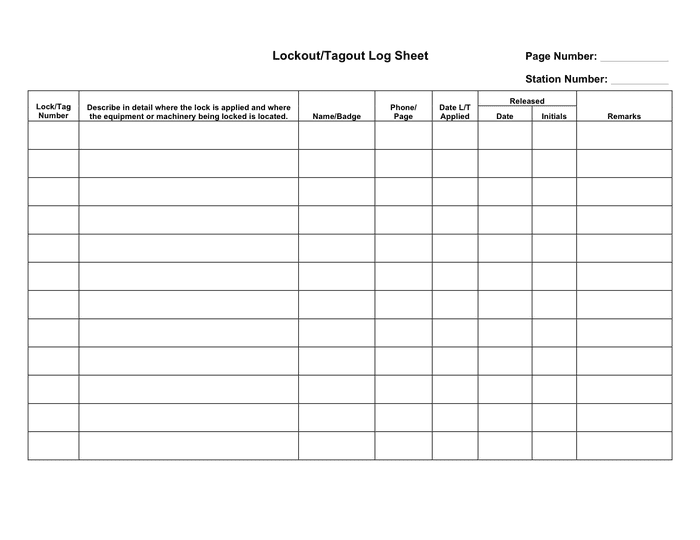
4. No Follow-Up or Documentation No one likes paperwork, but a quick sign-in sheet or digital log proves the talk happened and who attended. More importantly, review past talks during safety audits. Are the same issues coming up? That’s a red flag.
5. Poor Timing Holding a talk after workers are already on the clock breeds resentment. Schedule it before the shift starts, or during a natural pause—never as an afterthought.
How to Structure a High-Impact Toolbox Talk
Forget long lectures. Use this proven 5-step framework to keep talks sharp and actionable.
Step 1: Choose a Specific Topic Avoid broad themes. Instead of “electrical safety,” go narrow: “Using extension cords in wet conditions.” The more precise, the more memorable.
Step 2: Describe the Hazard Use real examples. > “Last month, a worker in Region 3 got a minor shock because a cord was lying in a puddle. That could’ve been fatal.”
Concrete stories stick better than abstract warnings.
Step 3: Demonstrate the Risk If possible, show the hazard. Point to the actual cord, ladder, or machine. Walk through the task slowly. Let workers visualize failure points.
Step 4: Review Controls List specific actions:
- Use GFCI-protected outlets
- Elevate cords off wet surfaces
- Inspect for fraying before use
Make it clear how to stay safe—not just that you should.
Step 5: Get Feedback and Sign Off Ask:
- “Does anyone see a gap in this plan?”
- “Is there another risk we should address today?”
Then have everyone sign or acknowledge attendance. Digital tools can automate this, but pen and paper still work.
7 High-Value Toolbox Talk Topics (With Examples)
Rotate through these to cover critical areas without repetition:
1. Hand Tool Safety Example: “We’re using chisels and mallets for concrete work. Are handles splintered? Are metal parts cracked? Inspect before every use.”
2. Slip, Trip, and Fall Hazards Example: “It rained overnight. Check walkways for mud buildup. Report oily spots immediately.”
3. Lifting and Manual Handling Example: “You’re moving drywall sheets. Use two people. Bend knees. Keep back straight. No shortcuts.”
4. PPE Requirements for the Day Example: “Today’s work involves overhead grinding. Safety glasses aren’t enough—use face shields and hearing protection.”
5. Hazard Communication (HazCom) Example: “New solvent arrives today. Review the SDS. Know the ventilation requirements and first aid steps.”
6. Equipment Start-Up Checks Example: “Before firing up the generator, check oil levels, fuel lines, and grounding.”
7. Emergency Response Refresher Example: “Where’s the nearest AED? Who’s trained? How do we call for help if cell service is spotty?”
Each topic should take less than 10 minutes but reinforce habits that last.
Top 5 Toolbox Talk Platforms for Teams
Gone are the days of paper logs and manual tracking. Digital tools make it easier to schedule, deliver, and audit talks. Here are five reliable options:

| Platform | Best For | Key Feature | Pricing |
|---|---|---|---|
| iAuditor (by SafetyCulture) | Field teams, inspections | Customizable templates, photo evidence, offline mode | Free tier; paid from $29/user/month |
| SiteDocs | Construction & industrial | Real-time reporting, integration with equipment logs | Custom quotes |
| Procore (Safety Module) | Large construction firms | Centralized safety management, training records | Enterprise-level pricing |
| SafetyFX | Quick, visual talks | Video-based content, multilingual support | From $49/month |
| SmartSafe | SMEs and subcontractors | Mobile-first, simple sign-in, topic library | From $25/month |
Choose based on team size, tech comfort, and need for reporting. Even basic tools beat disorganized paper trails.
Making Toolbox Talks Stick: 4 Pro Tips
1. Rotate Facilitators Let different team members lead occasionally. A laborer running a talk on ladder safety brings authenticity no manager can replicate.
2. Use Visual Aids Bring the damaged glove, show the frayed cable, sketch a quick diagram in the dirt. Visuals increase retention by up to 70%.
3. Link to Incident Data “If three falls happened on wet surfaces last quarter, make slip prevention a recurring theme—until numbers drop.”
4. Keep a Topic Log Track what you’ve covered and when. Avoid repetition. Identify gaps. Use it during safety audits to prove consistency.
When Toolbox Talks Save Lives: A Real Case
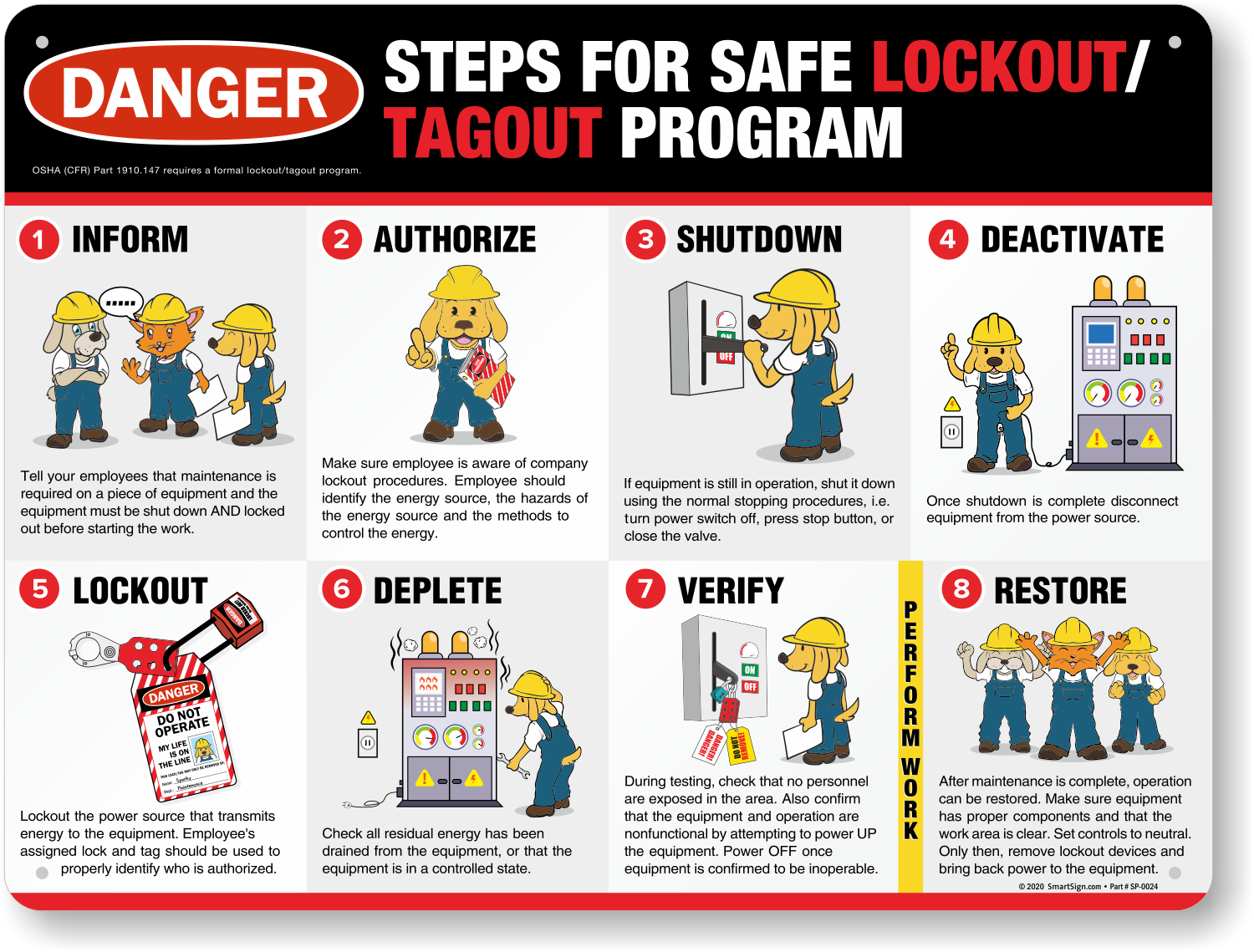
At a mid-sized electrical contracting firm, a routine talk on arc flash prevention turned critical. A worker mentioned that a panel they were about to open hadn’t been de-energized properly. The team stopped. Verified the lockout. Discovered a bypassed breaker.
No one was hurt. But without that five-minute conversation—prompted by a standard talk—the outcome could’ve been catastrophic.
This isn’t luck. It’s what happens when safety becomes a habit, not a formality.
The Bottom Line: Quality Over Compliance
Toolbox talks shouldn’t exist to satisfy auditors. They should exist to protect people.
The best ones are short, specific, and sparked by real work. They invite input, target actual risks, and end with clarity—not confusion.
Stop reading from a script. Start talking like human beings trying to keep each other safe.
Run your next talk like it matters—because it does.
FAQs
What’s the ideal length for a toolbox talk? Aim for 5 to 15 minutes. Long enough to cover the hazard, short enough to hold attention.
How often should toolbox talks be held? Daily on high-risk sites, weekly in lower-risk environments. Always before starting new tasks.
Who should lead a toolbox talk? Typically a supervisor or safety officer, but rotating facilitators improves engagement.
Do toolbox talks need to be documented? Yes. Attendance records and topic logs prove compliance and help track recurring issues.
Can toolbox talks be done remotely? Yes—via video call or messaging platforms—especially for planning meetings or remote teams.
Should toolbox talks include training? They’re not full training sessions, but they can reinforce key techniques like proper lifting or PPE use.
What if workers don’t take them seriously? Make them more interactive. Use real examples. Act on feedback. Show that participation leads to change.
FAQ
What should you look for in Mastering the Basics of Toolbox Talk Safety and Efficiency? Focus on relevance, practical value, and how well the solution matches real user intent.
Is Mastering the Basics of Toolbox Talk Safety and Efficiency suitable for beginners? That depends on the workflow, but a clear step-by-step approach usually makes it easier to start.
How do you compare options around Mastering the Basics of Toolbox Talk Safety and Efficiency? Compare features, trust signals, limitations, pricing, and ease of implementation.
What mistakes should you avoid? Avoid generic choices, weak validation, and decisions based only on marketing claims.
What is the next best step? Shortlist the most relevant options, validate them quickly, and refine from real-world results.