Most safety meetings are forgettable. Teams gather, a supervisor reads from a checklist, and within minutes, workers are back on the job—no real engagement, no behavior change. Yet, when done right, a toolbox talk can shift culture. It can prevent a fall, stop a shortcut, or spark a conversation that saves a life.
The difference? The topic.
Not all toolbox talks are created equal. Generic, repetitive themes—"wear your PPE," "stay alert"—get ignored. High-impact topics connect to real job site risks, recent near-misses, or emerging behaviors. They’re timely, targeted, and actionable.
Here are the toolbox talk topics that consistently drive results across industries.
Why Most Toolbox Talks Fail (And How to Fix It)
Too many safety briefings are compliance theater. Managers run through a script to check a box, not to change behavior. Workers zone out. Nothing shifts.
The problem isn’t the format—it’s the content. A good toolbox talk:
- Addresses a specific, current risk
- Relates to the crew’s actual tasks that day
- Encourages participation, not passive listening
- Ends with a clear action step
For example: Instead of “Slips, Trips, and Falls,” try “How We Prevent Falls When Working on Unstable Gravel Today.” Specificity raises relevance. Relevance drives attention.
1. Hazard Recognition: Train the Brain to See Risk
Hazard recognition is foundational. But instead of listing generic hazards, focus on observation skills.
Use real examples from the site: - A frayed extension cord coiled under a scaffold - A ladder placed on a slippery surface - Unguarded equipment during maintenance
Run a 2-minute “scan the area” drill. Ask workers: What would you fix in this scene?
This topic works because it builds a shared mental model. It turns hazard spotting into a team effort, not a top-down lecture.
Pro tip: Pair this with a near-miss report from last week. Show how one person’s observation prevented an incident. Recognition becomes personal.
2. Job-Specific PPE Use (Beyond “Wear It”)
Everyone knows they need PPE. The real issue? Consistency and proper use.
A high-impact talk focuses on application, not just compliance.
Examples: - How to properly fit a respirator when sanding composite materials - Why cut-resistant gloves matter when handling rebar - When ear protection is required—even for short tasks
Bring in the actual gear. Demonstrate donning and doffing. Let workers ask: Is this the right glove for this task?
Common mistake: Assuming one type of glove fits all jobs. A mechanic needs different protection than a laborer handling insulation.
Make it visual. Show photos of improper PPE use and compare them to correct setups. Workers remember images, not slogans.
3. Working at Height: Preventing Falls Before They Happen
Falls remain a leading cause of workplace fatalities. Yet many teams treat fall protection as routine—until something goes wrong.
A strong toolbox talk drills into: - Anchor point verification - Harness inspection checklist - Fall clearance calculations
Walk through a real setup. Have a worker demonstrate how they check their harness before climbing. Ask: What would you do if your lanyard showed wear?
Include environmental factors: - Wind affecting stability - Weather impacting grip - Night work reducing visibility

This topic gains urgency when tied to a nearby incident. Even a non-fatal fall on a sister site can serve as a powerful reminder.
Limitation: Some crews think “I’ve done this 100 times” overrides risk. Challenge that mindset with data: Most falls happen during routine tasks, not complex ones.
4. Hot Work Safety: Managing Fire Risks in Real Time
Welding, grinding, cutting—common tasks with high stakes. One spark in the wrong place can ignite a fire.
This talk must cover: - Fire watch responsibilities - Clearance of combustibles - Permit requirements - Emergency response steps
Use a recent near-miss: “Last week, a worker started grinding without checking behind the wall. Saw insulation within 3 feet. Could’ve gone up in seconds.”
Visualize the risk. Show how fast materials like sawdust or foam board ignite. Then walk through the permit process step by step.
Workflow tip: Designate a “hot work buddy” system. Two people confirm safety steps before ignition. Peer accountability sticks better than top-down enforcement.
5. Equipment Safety: Inspection and Stop-Work Authority
Equipment fails. But more often, it’s used wrong or operated when damaged.
Focus the talk on pre-use inspections and the right to stop work.
Break it down: - Visual check (hoses, cracks, leaks) - Function test (controls, brakes, alarms) - Documentation (logbooks, tags)
Then reinforce: If it’s not safe, you have the authority to shut it down—even if the job is behind schedule.
Share a real example: A forklift with worn steering. Driver noticed it during inspection, reported it, and avoided a potential tip-over.
Key insight: Workers often fear pushback for stopping work. Normalize the behavior. Praise those who speak up.
6. Ergonomics and Manual Handling: Avoiding Long-Term Injury
Back injuries don’t always happen in a single event. Often, they develop from repeated strain.
Target high-risk movements: - Lifting bags of material from ground level - Carrying pipes overhead - Repeated kneeling during installation
Demonstrate proper technique: - Use legs, not back - Keep load close - Avoid twisting
But go further: ask, Can we use a cart? A lift? Can we break the load into smaller pieces?
This topic works best with participation. Have two workers demonstrate correct vs. incorrect lifting. Let the team critique.
Realistic use case: On a roofing job, instead of carrying 50 shingle bundles by hand, the crew used a material hoist. Reduced strain, increased speed.
7. Communication and Situational Awareness
Miscommunication causes incidents. A signal misunderstood, a blind spot ignored, a task assumed but not confirmed.
Focus on: - Hand signals for crane operations - Radios and clear channels - “Check-in” routines in high-noise zones
Run a quick drill: One worker gives a signal, another interprets it. Reveal gaps in understanding.
Also address distractions: - Headphones on site - Phone use during operations - Fatigue affecting focus
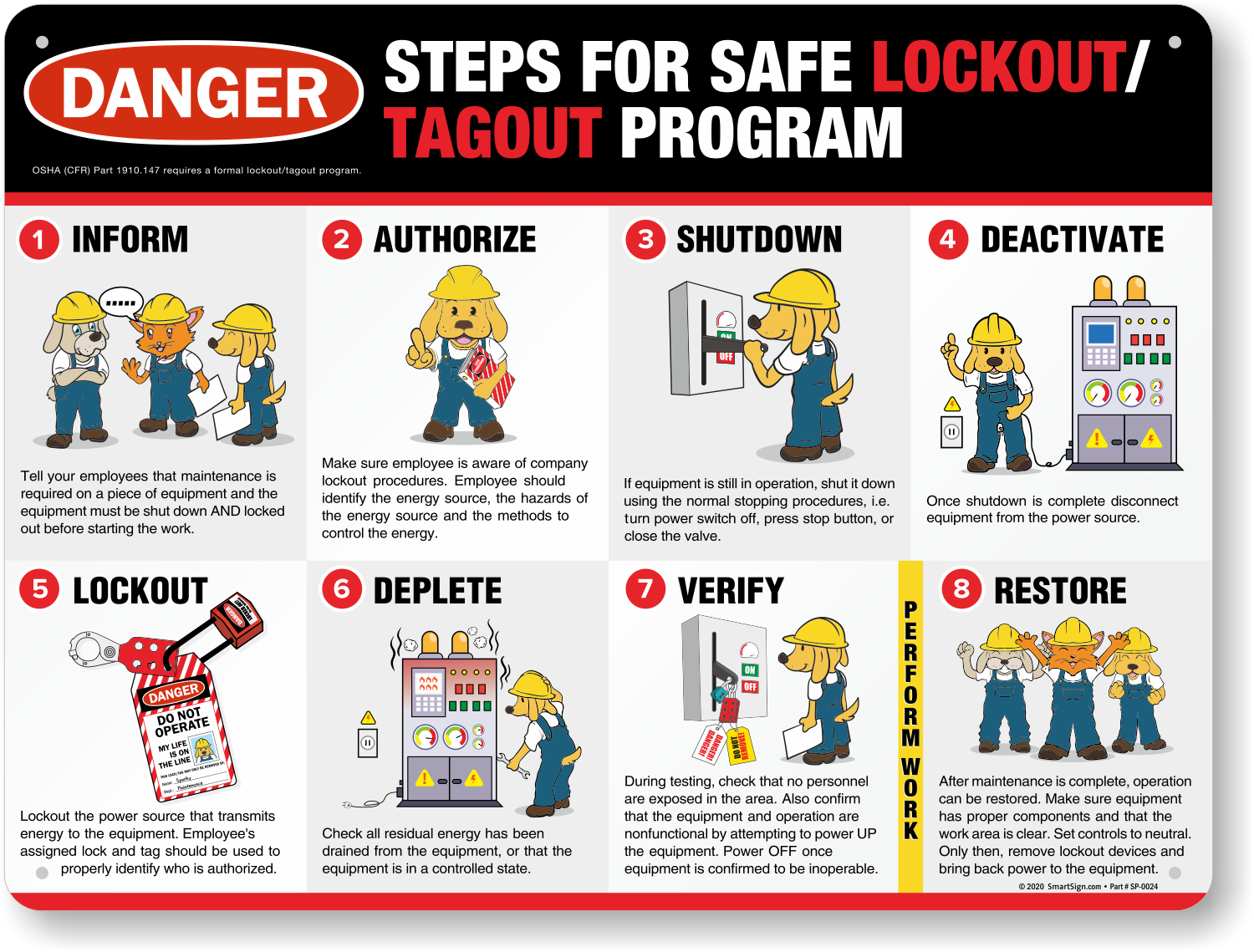
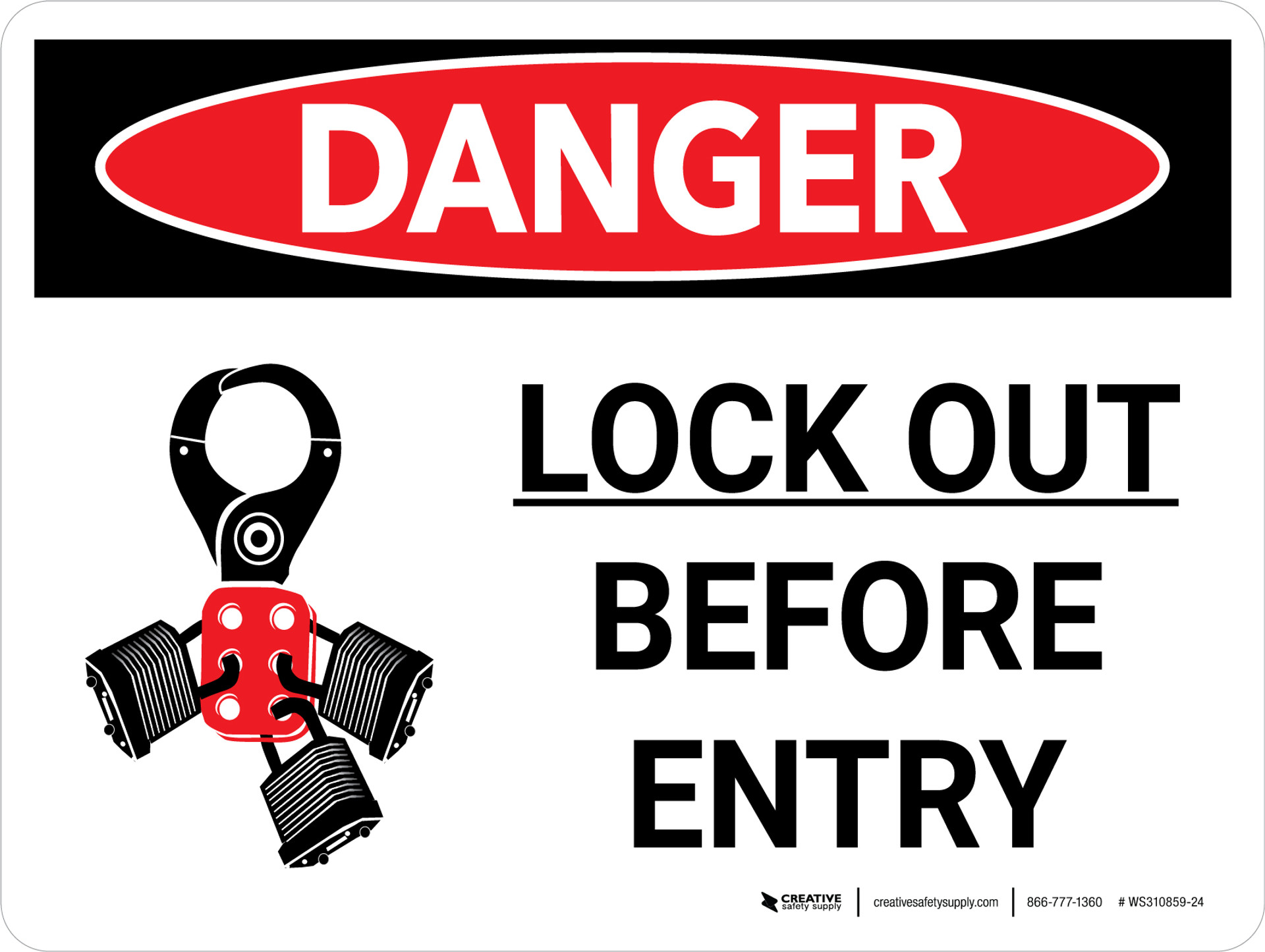
Workflow tip: Implement a “two-person verify” for critical tasks—e.g., confirming lockout/tagout is complete before maintenance.
8. Weather-Related Hazards: Adapting to Conditions Weather changes fast. But safety plans often don’t.
Talk about: - Heat stress signs and hydration - Cold weather PPE and wind chill - Lightning protocols - Slippery surfaces after rain
Use the day’s forecast as a hook. “It’s going to hit 95°F by noon—how do we adjust?”
Introduce the buddy system for heat illness. Pair workers to monitor each other for dizziness, nausea, or confusion.
Limitation: Some teams delay action until someone feels ill. Teach proactive adjustments: more breaks, shade tents, rotating duties.
9. Near-Miss Reporting: Why Silence Is Dangerous
Many serious incidents have precursors. But near-misses go unreported due to fear, time pressure, or apathy.
This talk must rebuild trust.
Ask: What stopped you from reporting a close call? Common answers: “I didn’t want trouble,” “It wasn’t a big deal,” “No time.”
Then reframe: Every near-miss is data. It’s free intelligence to prevent injury.
Share an anonymized example: “Worker almost fell through an unmarked floor opening. Reported it. Now all openings are tagged and guarded.”
Action step: Simplify reporting. Use a QR code on site that links to a 60-second form.
10. Mental Health and Fatigue: The Hidden Risks
Physical safety dominates toolbox talks. But mental state affects performance.
Fatigue, stress, and distraction increase error rates.
Discuss: - Signs of fatigue (slowed reaction, poor focus) - The impact of long shifts or double-ups - Resources for stress or personal issues
Normalize the conversation. “If you’re not 100%, speak up. We’d rather delay than risk injury.”
Use case: A worker admitted he hadn’t slept due to family issues. Crew adjusted his role for the day. No incident occurred.
This topic builds psychological safety—the foundation of a strong safety culture.
Making It Stick: How to Run a Better Toolbox Talk
A great topic is only half the battle. Delivery matters.
- Follow this workflow:
- Pick a topic tied to today’s work—not a generic list.
- Start with a question or scenario—not a lecture.
- Get participation—ask for input, not silence.
- End with one action—e.g., “Inspect your harness before climbing.”
- Document it—brief notes, names, topic. Not for compliance—review.
Avoid reading slides. Use photos, real gear, or site conditions. Keep it under 10 minutes.
And rotate facilitators. Let experienced workers lead occasionally. Their credibility outshines any supervisor’s.
Toolbox talks aren’t about checking boxes. They’re about changing behavior. The right topic, delivered with purpose, can prevent an incident, strengthen trust, and build a culture where safety is owned by everyone—not just enforced from above.
Pick one high-impact topic. Tailor it to your crew. Talk, listen, act. Do it again tomorrow.
FAQ
What makes a good toolbox talk topic? It’s specific, relevant to current work, and prompts action—like “Inspecting fall protection on scaffolds” instead of “Stay safe at height.”
How often should toolbox talks happen? Ideally daily or before high-risk tasks. Frequency matters less than consistency and quality.
Who should lead a toolbox talk? Supervisors usually lead, but experienced workers can too. The key is preparation and engagement.
Should toolbox talks be documented? Yes—briefly. Record topic, date, attendees, and key takeaways for tracking and follow-up.
Can toolbox talks reduce incident rates? Yes, when they focus on real risks and encourage participation. Data shows engaged teams have fewer near-misses and injuries.
What’s the biggest mistake in toolbox talks? Being too generic. “Wear your hard hat” won’t change behavior. “Hard hat use when overhead work is active—here’s why” might.
How long should a toolbox talk last? 5 to 10 minutes. Focused, interactive, and actionable. If it drags, attention drops.
FAQ
What should you look for in Top Toolbox Talk Topics That Improve Safety and Engagement? Focus on relevance, practical value, and how well the solution matches real user intent.
Is Top Toolbox Talk Topics That Improve Safety and Engagement suitable for beginners? That depends on the workflow, but a clear step-by-step approach usually makes it easier to start.
How do you compare options around Top Toolbox Talk Topics That Improve Safety and Engagement? Compare features, trust signals, limitations, pricing, and ease of implementation.
What mistakes should you avoid? Avoid generic choices, weak validation, and decisions based only on marketing claims.
What is the next best step? Shortlist the most relevant options, validate them quickly, and refine from real-world results.