When a machine unexpectedly powers on during maintenance, the consequences can be catastrophic. A technician reaches into a jammed conveyor, believes the system is off, and in an instant—crushing injuries occur. These aren’t rare edge cases. According to OSHA, nearly 10% of serious industrial accidents stem from uncontrolled hazardous energy. At the heart of preventing these incidents: lockout tagout locks and keys.
Lockout tagout (LOTO) isn’t just a procedure—it’s a layered defense strategy. And within that system, locks and keys serve as the physical enforcement mechanism. They ensure that only authorized personnel can restore energy to machinery, creating a tamper-resistant barrier between danger and downtime.
Let’s break down how these components work, why they matter, and how to deploy them effectively.
Why Lockout Tagout Locks and Keys Matter
Lockout devices don’t just symbolize safety—they enforce it. A lock physically prevents the activation of energy-isolating devices like circuit breakers, valves, or disconnect switches. The key, meanwhile, controls access. Only the worker who applied the lock holds the key, ensuring personal accountability.
Without this system, reliance shifts to procedural memory or verbal communication—both unreliable under pressure. A supervisor might think a machine is safe to restart, unaware that maintenance is still underway. A simple miscommunication becomes life-altering.
LOTO locks and keys transform safety from a verbal agreement into a verifiable, physical state. This is especially crucial in multi-craft environments where electricians, mechanics, and operators interact with the same equipment.
Common Mistakes That Undermine LOTO Effectiveness: - Using personal locks with shared keys - Skipping lockout because “it’s just a quick fix” - Allowing supervisors to remove employee locks - Using non-durable or non-unique locks
Each one weakens the integrity of the entire system.
Types of Lockout Devices and Where They’re Used
Not all locks are interchangeable. The right device depends on the energy source, access point, and environment. Here are the most common types:
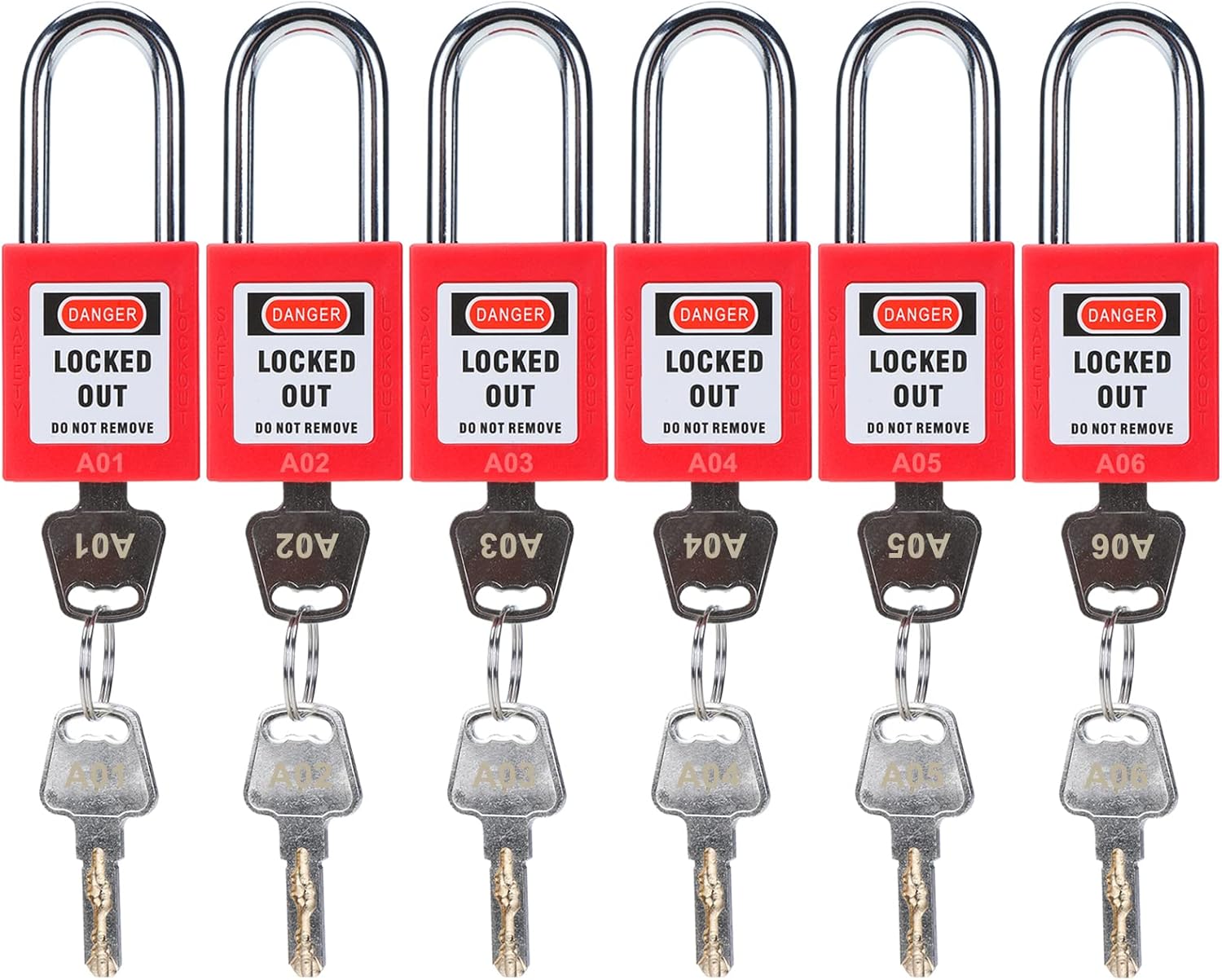
#### 1. Padlock-Style Lockout Devices The most recognizable LOTO tool. These are used on circuit breaker disconnects, valve handles, and control panels. They feature: - Shackle diameters from 5mm to 12mm - Non-conductive, weather-resistant materials - Key-retaining mechanisms (key only removable when lock is open)
Ideal for electrical panels and machine start buttons.
#### 2. Valve Lockouts Used on ball valves, gate valves, and butterfly valves. They clamp over the handle, preventing rotation. Some models accept multiple locks for group lockout scenarios.
#### 3. Circuit Breaker Lockouts Plastic enclosures that slide over breaker toggles. They accept padlocks and often include space for tagout tags. Critical in electrical rooms where multiple breakers are densely packed.
#### 4. Plug and Cord Locks Prevent reinsertion of electrical plugs. Devices like scissor lifts or portable grinders can be secured by locking the plug into a protective sleeve.
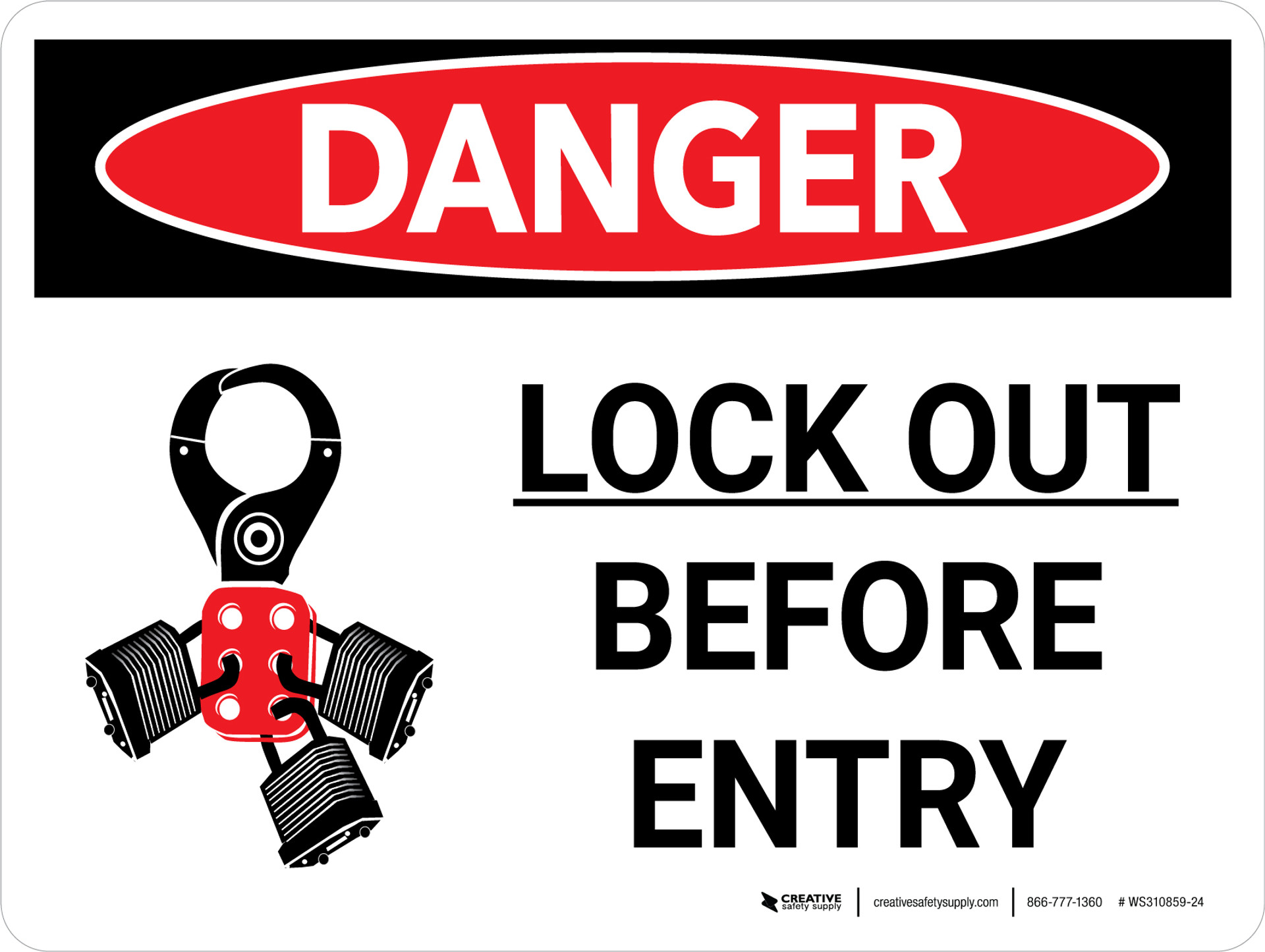
#### 5. Group Lockout Hasps Used when multiple workers service a single machine. A hasp is placed on the energy isolation point, and each technician applies their own lock. The machine cannot restart until every lock is removed.
The Role of Keys: Control, Not Convenience

Keys in LOTO are not about access—they’re about control. A well-designed key system ensures: - Single-user ownership: Each worker has a unique key to their personal lock. - No master key circulation: While some facilities use master keys for emergencies, unrestricted access defeats the purpose. - Key retention: The best locks only allow the key to be removed when the lock is open—preventing accidental loss during application.
Some advanced systems use color-coded or numbered keys to align with specific departments or roles. For example, red keys for electrical, blue for mechanical, green for HVAC. This adds traceability during audits.
Critical Rule: Never leave a lock applied with the key inserted. That’s a procedural failure. The key must always remain with the authorized employee.
Real-World Use Case: Conveyor System Maintenance
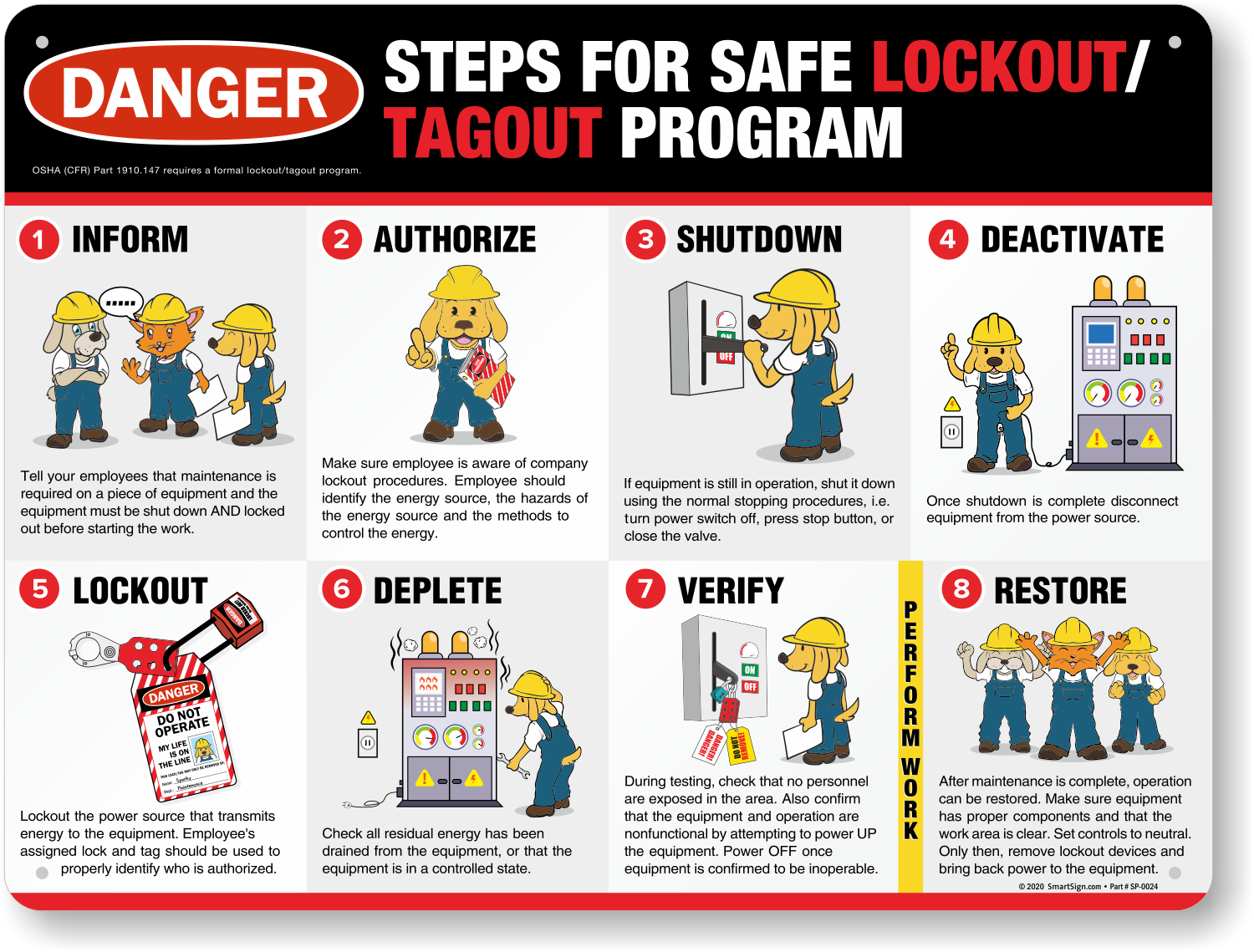
Consider a packaging line where a jammed conveyor requires servicing. Here’s how locks and keys function in practice:
- Operator identifies the energy sources: electrical (motor control), pneumatic (air lines), and mechanical (gravity feed).
- Shut down the system via the main control panel.
- Isolate each energy source:
- - Lock out the motor disconnect with a 10mm shackle padlock.
- - Apply a pneumatic valve lock on the air supply line.
- - Place a barrier lock on the feed chute.
- Attach a tagout tag with name, date, reason, and contact info.
- Test for zero energy by attempting to restart (from a safe distance).
- Begin maintenance.
During this process, no one else can energize the system. Even if the shift changes, the locks remain until the original technician returns and removes them.
This isn’t overkill—it’s standard. And it’s why serious industrial sites treat LOTO locks as non-negotiable PPE.
Choosing the Right Locks and Keys: 5 Top Options
When selecting LOTO devices, durability, compatibility, and compliance are non-negotiable. Here are five trusted options widely used across industries:
| Product | Type | Key Features | Best For |
|---|---|---|---|
| Master Lock 4680DAT | Padlock | 10mm nylon shackle, key-retaining, weatherproof | Electrical disconnects, outdoor use |
| Grace Industries VLP-2 | Valve Lockout | Fits 1/2” to 4” valves, accepts two padlocks | Plant maintenance, oil & gas |
| Safeguard LOTO-100 | Breaker Lockout | Universal fit, polycarbonate housing | Electrical panels, industrial control |
| Bernard LT-300 | Plug Lock | Locks NEMA 5-15P plugs, compact design | Portable tools, workshops |
| Seton 95836-10 | Group Lockout Hasp | 10-lock capacity, 304 stainless steel | Multi-craft lockout, complex machinery |
All these products meet OSHA 29 CFR 1910.147 standards and are UL listed for industrial environments. The choice depends on your equipment profile—factories with heavy electrical systems may prioritize breaker lockouts, while food processing plants might need corrosion-resistant valve locks.
Compliance and Audits: What Inspectors Look For
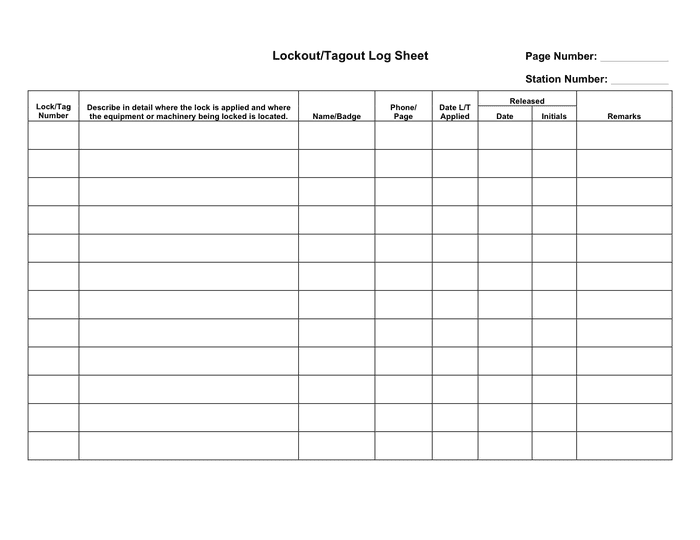
OSHA doesn’t care about intent—they care about evidence. During a LOTO audit, inspectors will: - Check that locks are standardized (same color, same type per department) - Verify that tags include required information (name, time, reason) - Test whether locks can be removed without keys - Confirm that energy sources are isolated before work begins - Review training records for affected employees
A common pitfall: using office-style padlocks with metal shackles. These conduct electricity and can corrode in humid environments. OSHA expects non-conductive, corrosion-resistant materials.
Another red flag: “shadow” lockout procedures—where workers follow LOTO on paper but skip steps in practice. This is often exposed during walkthroughs or incident investigations.
Pro Tip: Conduct quarterly LOTO drills. Pick a machine, simulate maintenance, and walk through the full procedure. Document gaps. Fix them before OSHA does.
Limitations and How to Overcome Them
Even the best LOTO system has blind spots:
- Temporary bypasses: Sometimes diagnostics require brief machine activation. This should follow a documented “re-energization” protocol with secondary safeguards (e.g., presence-sensing mats).
- Lockouts on mobile equipment: Forklifts, scissor lifts, and cranes pose unique challenges. Use equipment-specific lockout brackets and ensure operators are trained.
- Lost keys: Never cut a lock off unless under a formal emergency release procedure. Instead, maintain a sealed emergency key envelope, accessible only by supervisors with written justification and documentation.
Also, remember: LOTO doesn’t replace machine guarding. It’s a temporary control during servicing. Permanent safety requires both engineering controls and procedural discipline.
Building a Culture Around Locks and Keys
The best LOTO program isn’t just about hardware—it’s about habits. Start by issuing every maintenance technician their own lock, tagged with their name. Make it personal. This isn’t company property; it’s their personal safety shield.
Train new hires not just on how to lock out, but why. Show real injury case studies. Let them hold a lock and understand that this small device could prevent a lifetime of disability.
Finally, leadership must model the behavior. If a manager pressures a worker to “just quickly reset the machine,” the entire system erodes. Safety culture starts at the top.
Take Action Now
- Don’t wait for an incident to audit your LOTO program. Today, do this:
- Walk the floor and inspect 10 random lockout points.
- Verify each has a proper lock, tag, and no signs of tampering.
- Check that locks are durable, non-conductive, and key-retaining.
- Confirm that only authorized employees have access to keys.
Lockout tagout locks and keys are small tools with massive consequences. When used correctly, they’re not just compliance—they’re a promise: No one gets hurt on my watch.
Frequently Asked Questions
What kind of locks are used for lockout tagout? LOTO locks are typically padlocks made from non-conductive materials like nylon or polycarbonate, with key-retaining mechanisms and standardized colors per employee or department.
Can one key open multiple LOTO locks? No—each worker should have a unique key to their personal lock. Master keys should only exist under strict emergency protocols and never be carried by regular personnel.
Are tagout tags enough without locks? No. Tags are warnings; locks are physical barriers. OSHA requires lockout as the primary method. Tagout alone is only permitted when energy isolation cannot accept a lock.
How do group lockout procedures work? A group hasp is placed on the energy-isolating device. Each worker applies their own lock. The machine stays locked until every individual removes their lock.
What should a LOTO tag include? Name of the authorized employee, date and time of lockout, reason for the lockout, and contact information.
Can LOTO locks be used outdoors? Yes, but only if they’re rated for weather resistance. Look for UV-stable materials and corrosion-proof shackles.
Who is responsible for removing a LOTO lock? Only the authorized employee who applied the lock may remove it. In emergencies, a formal removal procedure with documented approval is required.
FAQ
What should you look for in Lockout Tagout Locks and Keys: Your Complete Safety Guide? Focus on relevance, practical value, and how well the solution matches real user intent.
Is Lockout Tagout Locks and Keys: Your Complete Safety Guide suitable for beginners? That depends on the workflow, but a clear step-by-step approach usually makes it easier to start.
How do you compare options around Lockout Tagout Locks and Keys: Your Complete Safety Guide? Compare features, trust signals, limitations, pricing, and ease of implementation.
What mistakes should you avoid? Avoid generic choices, weak validation, and decisions based only on marketing claims.
What is the next best step? Shortlist the most relevant options, validate them quickly, and refine from real-world results.