Every year, hundreds of workers suffer severe injuries—or worse—because machinery was accidentally energized during maintenance. The root cause? A failure in energy control. That’s where lockout tagout (LOTO) safety training videos come in. These aren’t just compliance checkboxes; they’re frontline tools that shape behavior, reinforce procedures, and protect lives.
A well-crafted LOTO safety training video doesn’t just explain what to do—it shows how to do it under real-world conditions. From identifying energy sources to applying locks and verifying isolation, these videos turn abstract regulations into actionable habits. For safety managers, HR teams, and plant supervisors, investing in high-quality training content isn’t optional. It’s a liability shield and a productivity safeguard.
But not all videos deliver the same impact. The difference between a forgettable slideshow and an effective training module can mean the difference between a safe shutdown and a catastrophic startup.
What Makes a Lockout Tagout Training Video Effective?
An effective LOTO training video does more than narrate OSHA standards. It connects with the viewer through realism, clarity, and relevance. Here’s what sets the best apart:
Real-World Scenarios Over Theoretical Lectures The most impactful videos show real equipment, actual lockout sequences, and common workplace environments—factories, maintenance bays, processing plants. When employees see procedures applied to machinery they recognize, retention improves dramatically.
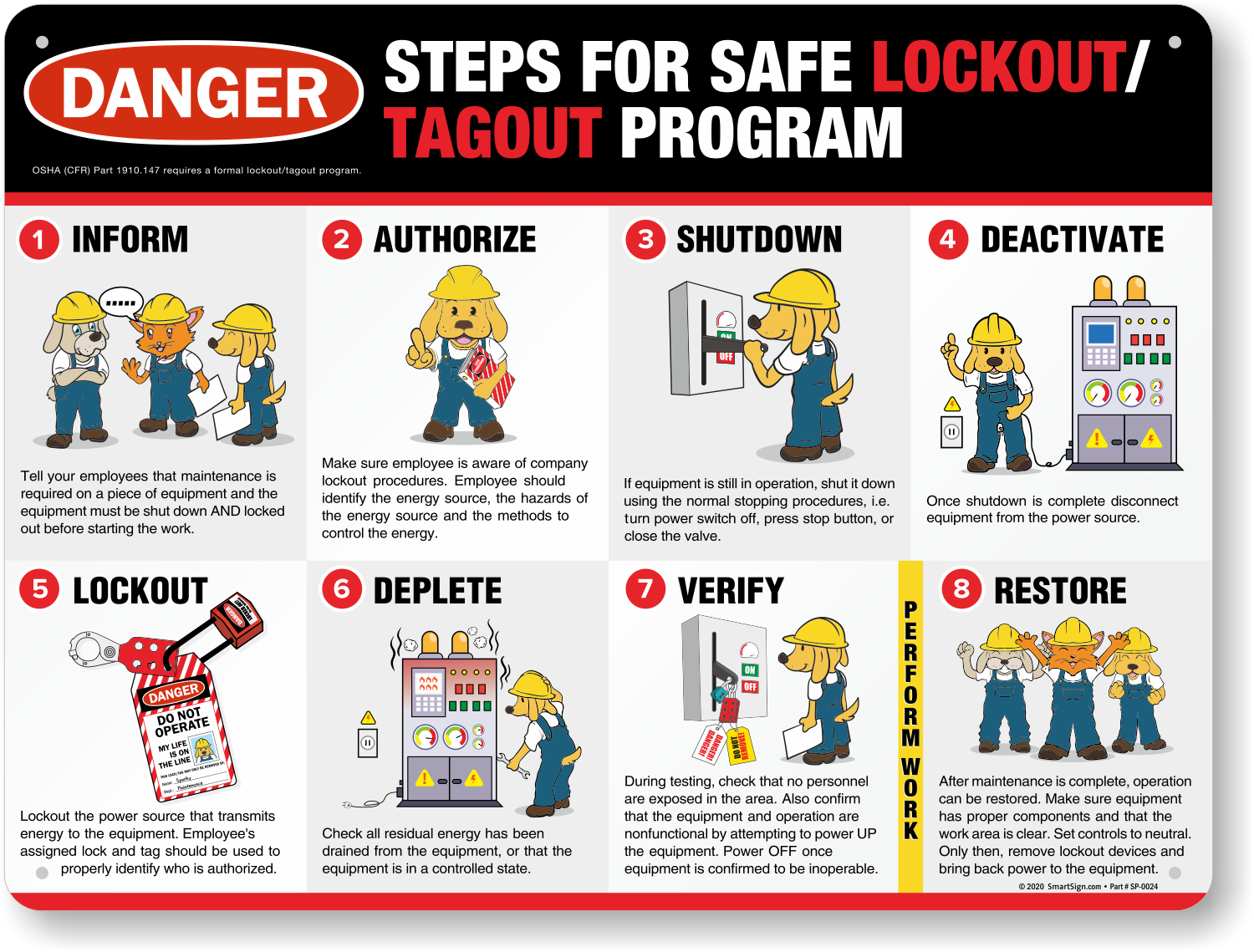
Clear Visual Demonstration of Steps A strong video breaks down the seven-step LOTO process: 1. Preparation 2. Notification 3. Shutdown 4. Isolation 5. Application of locks/tags 6. Release of stored energy 7. Verification
Each step should be shown from multiple angles, with close-ups of lock placement, tag filling, and verification methods like trying to start the machine.
Emphasis on Human Error The best videos don’t pretend mistakes don’t happen. They highlight real risks: bypassing a lock, using someone else’s key, failing to verify zero energy. Showing near-misses or simulated accidents—without being sensational—drives home consequences.
Multilingual and Accessibility Support In diverse workplaces, training must be inclusive. Top-tier videos include subtitles, voiceovers in Spanish or other common languages, and screen-reader compatibility.
When to Use a LOTO Training Video (and When Not To)
A training video is most effective as part of a structured program—not a standalone fix.
Ideal Use Cases:
- New hire orientation: Introduce LOTO fundamentals before hands-on practice.
- Annual refresher training: Reinforce procedures without reteaching from scratch.
- Procedure updates: When new equipment is added or energy control policies change.
- Remote or shift workers: Ensure consistent training across locations and schedules.
Where Videos Fall Short:

- Skill demonstration: Watching a lock application isn’t the same as doing it. Videos must be followed by hands-on verification.
- High-risk or complex systems: Hydraulic presses, conveyor networks, or chemical isolation require site-specific training beyond video content.
- Language or literacy barriers: Without support, a video alone won’t ensure comprehension.
The rule: A video starts the conversation. A qualified trainer finishes it.
Top 5 Lockout Tagout Safety Training Video Providers
Not all training content is created equal. These five providers consistently deliver high-impact, OSHA-aligned LOTO video training:
| Provider | Key Features | Format | Ideal For |
|---|---|---|---|
| J. J. Keller & Associates | On-screen checklists, real facility footage, quizzes | DVD, streaming, LMS integration | Manufacturing, logistics |
| Pure Safety (by MSA) | Animated sequences + live-action, mobile access | Online, SCORM-compliant | Oil & gas, utilities |
| SafetyInfo.com | Free preview modules, detailed narration | Streaming, download | Small businesses, budget teams |
| Vivid Learning Systems | Blended learning paths, tracking dashboards | LMS, video + text | Large enterprises, multi-site ops |
| Creative Safety Supply | Focus on 5S and visual workplace integration | Streaming, USB, DVD | Warehousing, light industrial |
Each offers certification tracking and downloadable resources, but effectiveness depends on workplace context. For example, J. J. Keller excels in regulatory precision, while Creative Safety Supply ties LOTO into broader safety culture.
Pro Tip: Pair any video with a site-specific checklist. Even the best off-the-shelf video won’t cover your unique equipment layout or energy isolation points.
Common Mistakes in LOTO Video Training Programs
Organizations often believe “we showed the video, so we’re compliant.” That’s where problems start.
1. Skipping the Practical Assessment OSHA 1910.147 requires demonstration of proficiency. Watching a video doesn’t count. Workers must prove they can shut down a machine, apply a lock, and verify zero energy—under supervision.
2. Using Outdated or Generic Content A video from 2010 might miss modern verification tools like digital lockout stations or smart tags. Worse, generic examples (e.g., “a conveyor belt”) don’t prepare workers for your belt, with your pinch points and control panels.
3. One-Time Viewing Only LOTO isn’t a “once-every-three-years” topic. High-turnover facilities should retrain quarterly. Videos should be rewatched annually at minimum.
4. No Supervisor Follow-Up Without a supervisor-led debrief, workers may misinterpret steps. Example: thinking a valve closure equals isolation, when stored pressure remains. A 10-minute team discussion after the video closes these gaps.
5. Ignoring Contractor Training Contractors often work on energized systems. If your LOTO video doesn’t address their role—or if they’re not required to watch it—you’re exposed. Include them in every training cycle.
How to Integrate a LOTO Video Into Your Safety Program
A video is a tool, not a program. Here’s how to use it correctly:
Step 1: Align with Your Written LOTO Policy Your video should reflect your company’s specific procedures. If your policy requires dual locks on high-risk equipment, the video must show that—even if the vendor’s version doesn’t.

Step 2: Schedule It Strategically Best times to show the video:
- Before maintenance shifts
- After an incident or close call
- During safety stand-downs
Avoid Friday afternoons or pre-shift rush periods when attention is low.
Step 3: Pair
with Hands-On Drills
After viewing, conduct a live drill. Choose a non-critical machine. Have each worker: - Identify energy sources - Shut it down - Apply their lock - Attempt restart (safely)
Document participation and performance.
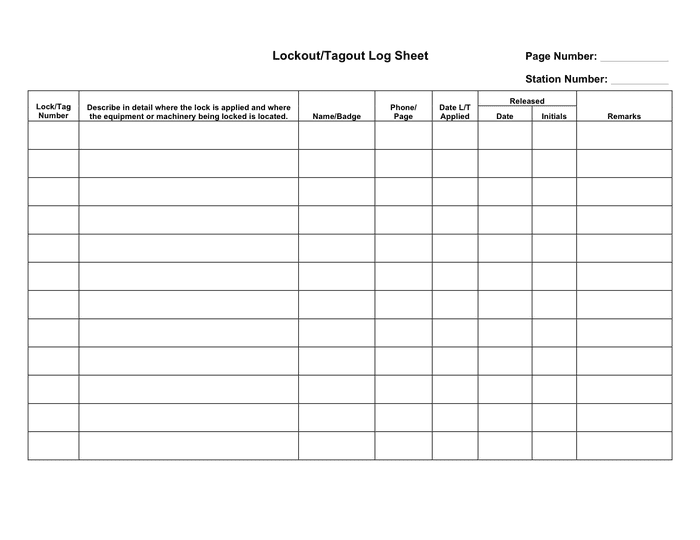
Step 4: Track and Retrain Use a simple spreadsheet or LMS to record: - Date viewed - Quiz score (if applicable) - Drill completion - Supervisor sign-off
Set calendar alerts for annual retraining.
The Cost of Skipping Proper LOTO Training
In 2023, OSHA fined a Pennsylvania food processor $165,000 after a worker’s arm was amputated when a mixer started during cleaning. The investigation found: no recent training, missing locks, and unverified isolation.
That’s not an anomaly. According to the Bureau of Labor Statistics, nearly 10% of severe workplace injuries involve unexpected energization. Most are preventable.
Beyond injury, poor LOTO compliance leads to: - OSHA citations (average penalty: $15,000+ per violation) - Downtime from incident investigations - Worker distrust in safety systems - Higher insurance premiums
A single high-quality LOTO training video costs less than $500. The cheapest ones are free. The cost of skipping it? Indefensible.
Choosing Between Free and Paid LOTO Training Videos
Free videos are tempting—especially for small operations. But they come with trade-offs.
| Factor | Free Videos | Paid Videos |
|---|---|---|
| Regulatory accuracy | Often outdated | Regularly updated |
| Production quality | Low-res, poor audio | Professional filming, clear narration |
| Customization | None | Some allow branding or localized content |
| Tracking & certification | Manual only | Automated reporting |
| Support | None | Phone/email access, updates |
Free options like OSHA’s public domain materials or YouTube clips can work as supplements. But for primary training, paid content delivers better compliance protection and engagement.
Reality check: If your only LOTO training is a 10-minute YouTube clip, you’re not OSHA-compliant.
Final Thoughts: Training That Sticks Saves Lives
A lockout tagout safety training video isn’t about checking a box. It’s about building a culture where every worker knows how to protect themselves and others.
The best videos do three things: they educate, they engage, and they empower. They turn a regulatory requirement into a daily habit.
Don’t settle for vague animations or outdated footage. Choose content that mirrors your real work environment. Pair it with hands-on practice. Retrain consistently. And make sure every employee—not just full-timers, but contractors and temps—goes through the process.
Because when a machine powers on unexpectedly, it won’t ask if you watched the video. It’ll only matter if you learned from it.
Frequently Asked Questions
What is the OSHA requirement for lockout tagout training? OSHA 1910.147 mandates initial and annual retraining for all authorized employees, including documentation of both training and performance.
Can a video alone satisfy OSHA training requirements? No. A video must be followed by hands-on demonstration and employer certification of competency.
How long should a LOTO training video be? Most effective videos are 15–30 minutes. Longer durations reduce retention; shorter ones may miss critical steps.
Do contractors need LOTO training? Yes. Any outside worker performing servicing or maintenance must be trained on your specific LOTO procedures.
What should a LOTO video cover? It must include energy source identification, isolation methods, lock/tag application, stored energy release, and verification of de-energization.
Are free LOTO videos reliable? Some are accurate, but many lack updates, real-world context, or compliance tracking—risks that outweigh cost savings.
How often should LOTO training be repeated? At minimum, annually. More frequent training is recommended for high-turnover or high-risk environments.
FAQ
What should you look for in Lockout Tagout Safety Training Video Essentials? Focus on relevance, practical value, and how well the solution matches real user intent.
Is Lockout Tagout Safety Training Video Essentials suitable for beginners? That depends on the workflow, but a clear step-by-step approach usually makes it easier to start.
How do you compare options around Lockout Tagout Safety Training Video Essentials? Compare features, trust signals, limitations, pricing, and ease of implementation.
What mistakes should you avoid? Avoid generic choices, weak validation, and decisions based only on marketing claims.
What is the next best step? Shortlist the most relevant options, validate them quickly, and refine from real-world results.