Workers are injured every year during routine equipment maintenance—not because machines are inherently dangerous, but because energy sources are improperly controlled. One of the most preventable causes of serious injury in manufacturing, utilities, and industrial facilities is the unexpected release of hazardous energy. Lockout tagout safety training exists to stop these incidents before they happen. Yet too many programs check a compliance box without changing behavior.
Real lockout tagout safety training does more than teach employees to place a padlock on a valve. It builds awareness, enforces discipline, and creates a culture where safety is procedural, not situational.
Why Most Lockout Tagout Training Fails
Traditional LOTO training often follows a predictable pattern: an annual video, a quiz, and a signature on a form. It’s treated as a compliance ritual, not a safety imperative. The result? Workers remember the basics but skip steps when under pressure.
Consider a maintenance technician in a food processing plant. He needs to unclog a conveyor belt. The machine has been "turned off," but he doesn’t lock out the main power disconnect—just hits the emergency stop. That’s a critical error. Emergency stops don’t isolate energy; they only interrupt control circuits. Residual energy in the system can restart the belt mid-repair.
This kind of mistake happens because training didn’t emphasize the difference between operational shutdown and energy isolation. It didn’t simulate real-world pressure. It didn’t make the consequences visceral.
Effective lockout tagout safety training must confront three weaknesses:
- Knowledge gaps: Workers don’t understand energy types (electrical, hydraulic, pneumatic, thermal, chemical).
- Procedural shortcuts: Employees bypass steps to save time, especially during unplanned repairs.
- Inconsistent application: Lockout isn’t enforced equally across shifts or job roles.
Training that ignores these realities produces false confidence.
The Core Components of Effective LOTO Training
A powerful lockout tagout safety program rests on five pillars. Each must be taught, reinforced, and audited.
1. Energy Source Identification
Every machine has primary and secondary energy sources. Employees must learn to recognize them all. For example, a hydraulic press may:
- Run on 480V electrical power (primary)
- Store energy in pressurized hydraulic lines (secondary)
- Have gravity-driven components that can fall if unsupported (mechanical)
Training must include hands-on walkthroughs where workers map energy sources on actual equipment. Diagrams help, but nothing replaces tactile familiarity.
2. Step-by-Step Isolation Procedures
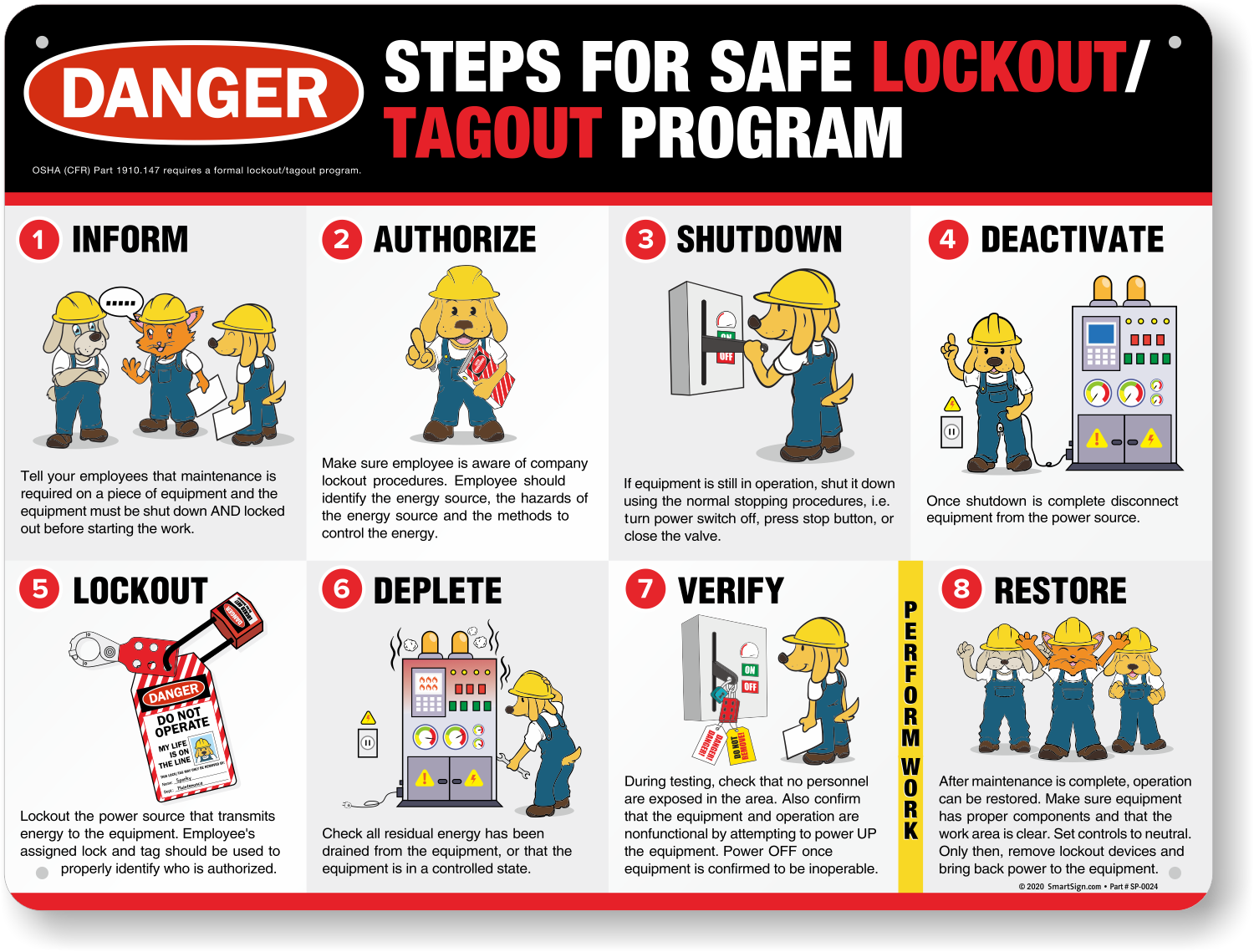
The OSHA-mandated sequence—prepare, shut down, isolate, apply lockout device, dissipate stored energy, verify isolation—must be practiced, not just recited.
A common failure point? Verification. Workers assume a machine is de-energized because the switch is off. They don’t test. Training must instill the habit of "try before touch"—using voltage testers, pressure gauges, or physical checks to confirm zero energy.
One auto parts manufacturer reduced LOTO incidents by 70% after adding a verification drill to every training session. Technicians now perform a mock restart attempt—only after confirming no energy is present.
3. Roles and Responsibilities
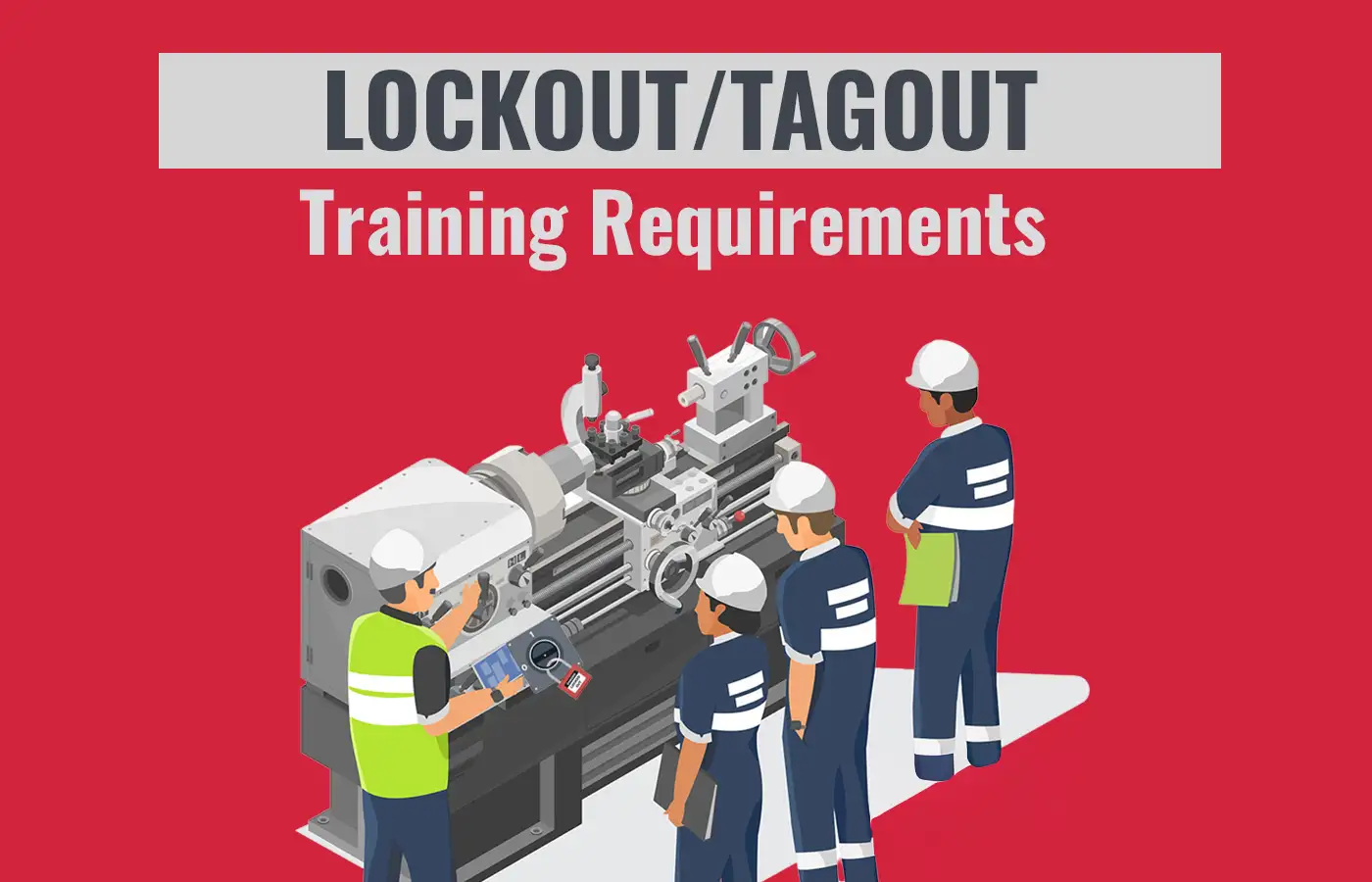
LOTO isn’t a one-size-fits-all process. Training must clarify who is an authorized employee (performs lockout) versus an affected employee (operates or uses equipment).
An affected employee in a paper mill might only need to know when a machine is locked out and why. But the authorized employee leading maintenance must know how to:
- Develop or follow machine-specific LOTO procedures
- Apply their personal lock and tag
- Coordinate group lockout scenarios
Misunderstanding roles leads to confusion during outages. Clear definitions prevent overreach and under-action.
4. Group Lockout and Shift Transitions
Real-world maintenance often spans shifts or involves multiple technicians. Lockout procedures must account for this.
Training should simulate shift handoffs. For example:
- Night shift mechanic locks out a boiler for valve replacement.
- Morning shift team inherits the lockout.
- The oncoming authorized employee must verify isolation before proceeding.
A shared lockout board or group hasp system ensures continuity. Workers must be trained to never remove another’s lock without formal approval through an energy control log.
5. Periodic Inspections and Drills
OSHA requires annual inspections of LOTO procedures. But inspections shouldn’t be paperwork exercises. They should be live audits:
- Watch an authorized employee perform a full lockout.
- Check that the procedure matches the actual machine setup.
- Ask the employee to explain each step.
One steel fabrication plant conducts unannounced LOTO drills quarterly. Supervisors observe and give immediate feedback. The result? Near 100% compliance and zero lost-time incidents related to energy release in three years.
Common Mistakes in LOTO Training Programs
Even well-intentioned programs go wrong. Here are the most frequent errors and how to fix them.
Mistake 1: Using Generic Procedures A single LOTO template applied to all machines ignores equipment-specific risks. Fix: Develop machine-specific energy control procedures (ECPs) with input from maintenance teams.
Mistake 2: Skipping Hands-On Practice Employees watch videos but never handle locks, tags, or test equipment. Fix: Require every trainee to perform a full lockout on real machinery during training.
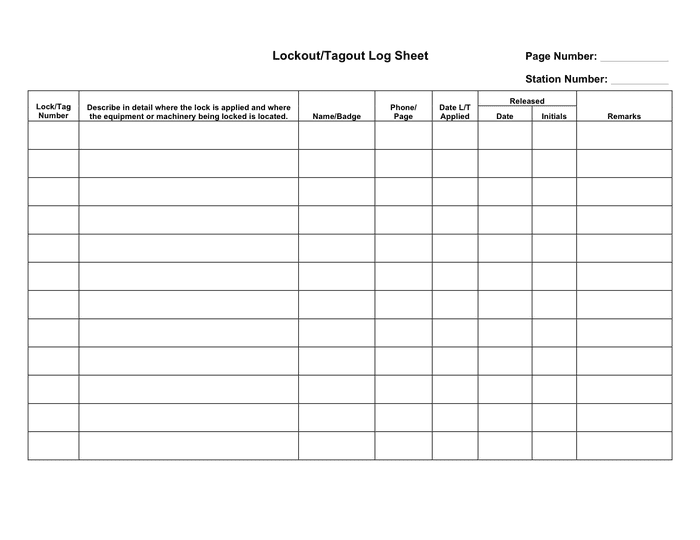
Mistake 3: Poor Tag Design Tags that lack critical info—employee name, date, reason for lockout—create confusion. Fix: Use standardized tags with pre-printed fields and require legible handwriting.
Mistake 4: Inadequate Language Access Non-English speakers may not fully understand training materials. Fix: Deliver training in the worker’s primary language and use visual aids.
Mistake 5: No Management Visibility When supervisors don’t participate, workers assume LOTO isn’t a priority. Fix: Require managers to attend refresher training and conduct spot checks.
Industries That Can’t Afford Weak LOTO Training
While OSHA’s LOTO standard (29 CFR 1910.147) applies broadly, some sectors face higher stakes.
Manufacturing Assembly lines use interconnected machinery with multiple energy sources. A single misstep during die changes or robotic arm servicing can be fatal. Companies like automotive suppliers now use augmented reality (AR) in training to simulate lockout sequences before real-world application.
Chemical Processing Residual chemical energy and pressure vessels add complexity. Training must include isolation of feed lines, venting procedures, and atmospheric testing.
Utilities and Power Generation High-voltage systems require strict adherence to electrical safety rules (NFPA 70E). Lockout here isn’t just about turning off a switch—it’s about grounding, testing, and maintaining clearance distances.
Food and Beverage Wet environments increase electrical risks. Cleaning cycles often require rapid equipment access, leading to pressure to bypass LOTO. Training must reinforce that cleaning counts as servicing.
Integrating Technology into LOTO Training
Digital tools are transforming how companies deliver and track lockout tagout safety training.
- E-learning modules: Interactive courses with simulations allow workers to practice lockout steps in a risk-free environment.
- Mobile checklists: Technicians use tablets to follow step-by-step LOTO procedures in the field, with GPS logging and photo verification.
- Smart locks and tags: Bluetooth-enabled locks sync with central systems, showing real-time lockout status and preventing unauthorized removal.
One pharmaceutical plant reduced lockout errors by 60% after deploying a digital LOTO workflow. Workers scan QR codes on machines to pull up correct procedures, apply locks, and log completion automatically.
But technology isn’t a substitute for understanding. Training must still emphasize the why behind each step. A smart lock won’t stop someone from skipping energy dissipation.
Building a Culture Where LOTO Is Non-Negotiable
The best lockout tagout safety training doesn’t end when the session does. It embeds safety into daily operations.
Start by involving workers in writing procedures. When maintenance teams help draft ECPs, they’re more likely to follow them.
Recognize compliance publicly. A simple "Safety Spotlight" board highlighting correct lockout examples reinforces positive behavior.
And most importantly, hold everyone accountable—regardless of rank. If a supervisor bypasses LOTO, the message is clear: rules don’t apply to everyone. That erodes safety culture fast.
One paper mill saw a dramatic shift after a near-miss incident was reviewed in a company-wide meeting. Instead of blaming the worker, leadership focused on system failures: unclear procedures, time pressure, lack of supervision. They rewrote protocols with frontline input. Incident rates dropped within months.
Conclusion: Make LOTO Training Real, Not Ritual
Lockout tagout safety training works when it’s practical, personalized, and persistent. Move beyond compliance checklists. Train for real conditions. Practice under pressure. Verify understanding through action, not quizzes.
Equip your team to identify every energy source, follow every step, and challenge shortcuts—no matter how small. That’s how you prevent injuries. That’s how you build a workplace where safety isn’t a policy, it’s a habit.
Start today: audit one LOTO procedure with a technician. Walk through it step by step. Ask, “What could go wrong here?” Then train accordingly.
Frequently Asked Questions
What is the purpose of lockout tagout safety training? To ensure workers can safely isolate energy sources during maintenance and servicing, preventing accidental startup or release of hazardous energy.
Who needs lockout tagout training? Authorized employees who perform maintenance and affected employees who operate or use equipment must both be trained, though their responsibilities differ.
How often should LOTO training be refreshed? OSHA requires retraining at least every 12 months, plus additional training when procedures change or errors are observed.
Can tagout be used instead of lockout? Yes, but only if a lock cannot be applied. Tagout provides less physical protection, so additional safety measures are required.
What’s the difference between lockout and tagout? Lockout uses a physical lock to prevent equipment activation. Tagout uses a warning tag. Lockout is preferred when possible.
Do contractors need LOTO training? Yes, outside contractors must be trained on your facility’s energy control procedures before performing servicing.
Is LOTO training required for corded plug equipment? Yes, if the employee is performing servicing or maintenance. Unplugging can be a form of energy isolation, but it must be controlled under a written procedure.
FAQ
What should you look for in Lockout Tagout Safety Training That Actually Works? Focus on relevance, practical value, and how well the solution matches real user intent.
Is Lockout Tagout Safety Training That Actually Works suitable for beginners? That depends on the workflow, but a clear step-by-step approach usually makes it easier to start.
How do you compare options around Lockout Tagout Safety Training That Actually Works? Compare features, trust signals, limitations, pricing, and ease of implementation.
What mistakes should you avoid? Avoid generic choices, weak validation, and decisions based only on marketing claims.
What is the next best step? Shortlist the most relevant options, validate them quickly, and refine from real-world results.