A worker reaches into a jammed conveyor belt. The machine isn’t running—so it’s safe, right? Wrong. Seconds later, a coworker restarts the system remotely. The result: catastrophic injury. This isn’t hypothetical. It’s a real scenario documented by OSHA—preventable with one critical practice: lockout tagout (LOTO) reinforced through regular toolbox talks.
Toolbox talk lockout tagout isn’t just procedural theater. It’s the frontline defense against accidental energization, unexpected startup, or release of stored energy during maintenance. Yet, too many teams treat it as routine paperwork. The difference between compliance and real protection? Consistent, meaningful communication—exactly what a well-run toolbox talk delivers.
Let’s break down how to make your LOTO toolbox talks impactful, practical, and embedded into daily operations—not just checked off a list.
What Is a Toolbox Talk in Lockout Tagout?
A toolbox talk is a short, informal safety meeting—usually 10 to 15 minutes—held at the job site before work begins. When focused on lockout tagout, it reinforces procedures for safely de-energizing machines and equipment before service or maintenance.
Unlike formal training sessions, toolbox talks are: - Action-oriented - Situation-specific - Team-engaged
They answer the immediate “What does LOTO mean for us today?” For example: A maintenance crew preparing to service a hydraulic press uses the talk to confirm isolation points, verify lock types, and assign responsibility for each lock applied.
These sessions are not replacements for initial LOTO training but are essential reinforcements—especially when: - New equipment is introduced - Shift changes occur - Contractors join the team - Near misses happen
Toolbox talks bridge the gap between policy and practice, turning abstract safety rules into real-world behavior.
The Anatomy of an Effective LOTO Toolbox Talk
A strong LOTO toolbox talk follows a consistent structure. Deviate too much, and clarity suffers. Skip steps, and risk increases.
1. Start with a Real-World Scenario Begin with a brief story or near-miss example. Use one from your facility if possible. If not, pull from OSHA case studies.
“Last month at a plant in Ohio, a technician was clearing a blockage in a packaging line. The machine wasn’t locked out—just turned off. Someone hit the start button from a control room. The result: a crushed hand. This could’ve been avoided with one lock and tag.”
This sets context and urgency.
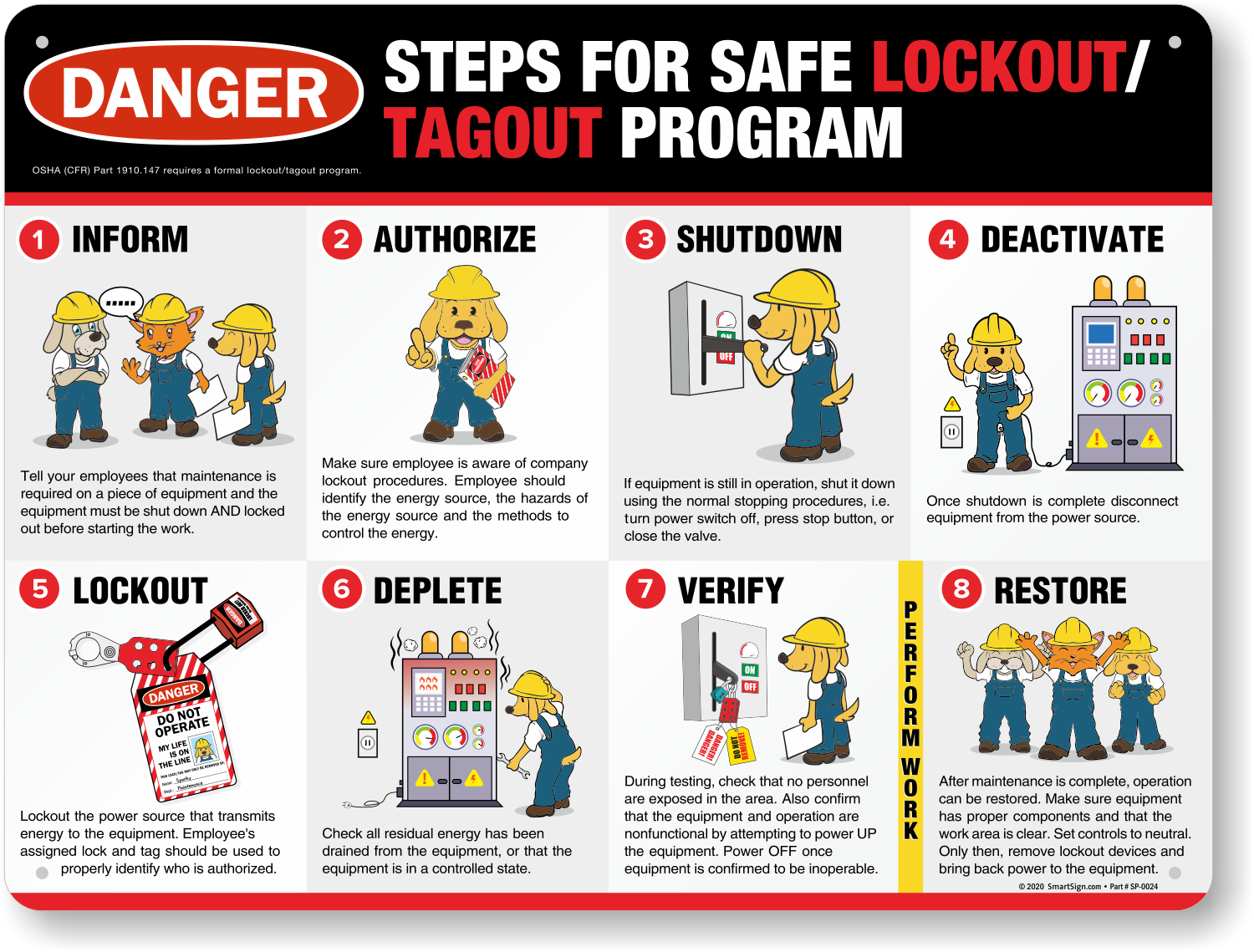
2. Review the Equipment-Specific LOTO Procedure Don’t speak in generalities. Name the machine. Point to the written energy control procedure. Confirm: - All energy sources (electrical, pneumatic, hydraulic, thermal, gravity) - Isolation points (valves, breakers, disconnects) - Sequence for shutdown and isolation
Example: For a CNC lathe, the talk might cover: - Shutting off main power at the disconnect - Depressurizing hydraulic lines - Blocking moving parts prone to falling
3. Verify Equipment Status Ask: Is the machine truly off? Reiterate the “zero energy state” principle. Use a test run—only after confirming all workers are clear.
Toolbox Tip: Designate one person to attempt restart. If the machine starts, LOTO failed.
4. Assign Locks and Tags Each worker applies their own lock. No shared locks. No master override exceptions.
- Employee name
- Date and time
- Reason for lockout
- Expected duration
Emphasize: If it’s not tagged, it’s not locked out.
5. Address Common Pitfalls Call out frequent mistakes:
- Skipping LOTO because “it’s just a quick fix”
- Using someone else’s lock
- Failing to verify isolation
- Not clearing the area before testing
Make these relatable: “We’ve all seen someone say, ‘I’ll just clear the jam in 10 seconds.’ But 10 seconds is all it takes for disaster.”
Why Most LOTO Toolbox Talks Fail
Even companies with solid LOTO programs struggle with ineffective talks. Why?
1. They’re Generic Talking about LOTO in the abstract—without referencing specific equipment or tasks—creates disengagement. Workers tune out.
Fix: Tailor every talk to the day’s work. Use visual aids: photos of isolation points, diagrams of lock placements.
2. Only One Person Speaks
When the safety officer lectures while the team listens, participation drops. Toolbox talks work best when they’re discussions.
Fix: Ask questions: - “Who’s responsible for locking out the conveyor today?” - “What’s the first step after shutting down the mixer?” - “How do we verify the boiler is depressurized?”
Make it interactive.
3. No Follow-Up or Accountability The talk ends. Workers walk away. No verification. No sign-off.
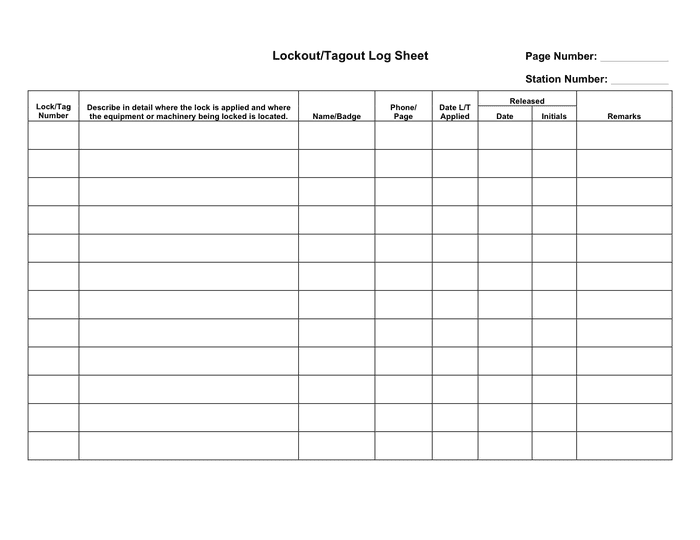
Fix: Use a simple checklist or log: - Date, time, attendees - Equipment involved - LOTO steps confirmed - Supervisor signature
Keep it brief but traceable.
4. Conducted Only After Incidents
Many teams only run LOTO talks after a near miss or audit. That’s reactive, not proactive.
Fix: Schedule weekly LOTO talks—especially before high-risk maintenance. Rotate facilitators to build ownership.
Real-World LOTO Toolbox Talk Examples
Example 1: Preventive Maintenance on a Pump System Scenario: Weekly maintenance on a chemical transfer pump. Talk Focus: Isolating electrical and fluid energy.
Key points: - Isolate power at the disconnect switch - Close and lock both inlet and outlet valves - Drain and vent residual fluid - Apply personal lock by each technician - Test for zero energy by attempting startup
Mistake to Avoid: Assuming closed valves are enough—without locking them. Fluid pressure can build unexpectedly.
Example 2: Clearing a Jam in a Conveyor Line Scenario: Production stoppage due to jam. Talk Focus: Lockout during brief intervention.
Key points: - Use machine-specific LOTO procedure - Notify all affected workers - Lock out drive motor and any auxiliary drives - Use lockout hasps if multiple workers involved - Verify no “ghost voltage” or backup power

Mistake to Avoid: Thinking “it’s only a jam” justifies skipping LOTO. OSHA counts over 10% of LOTO fatalities during clearing operations.
Example 3: Contractor Work on a Boiler System Scenario: External technician servicing a steam boiler. Talk Focus: Coordinating LOTO between internal and external teams.
Key points: - Review site’s LOTO policy with contractor - Ensure contractor uses their own lock and tag - Confirm isolation of gas, water, and electrical lines - Establish communication protocol during work - Verify re-energization only after final inspection
Mistake to Avoid: Assuming the contractor “knows the rules.” Always verify and include them in the talk.
5 Tools to Support LOTO Toolbox Talks
While the talk itself is human-driven, tools can enhance execution and record-keeping.
| Tool | Purpose | Best For |
|---|---|---|
| LOTO Procedure Templates | Standardize steps for each machine | Facilities with multiple equipment types |
| Digital Checklists (e.g., SafetyCulture) | Track completion, photos, sign-offs | Teams wanting real-time documentation |
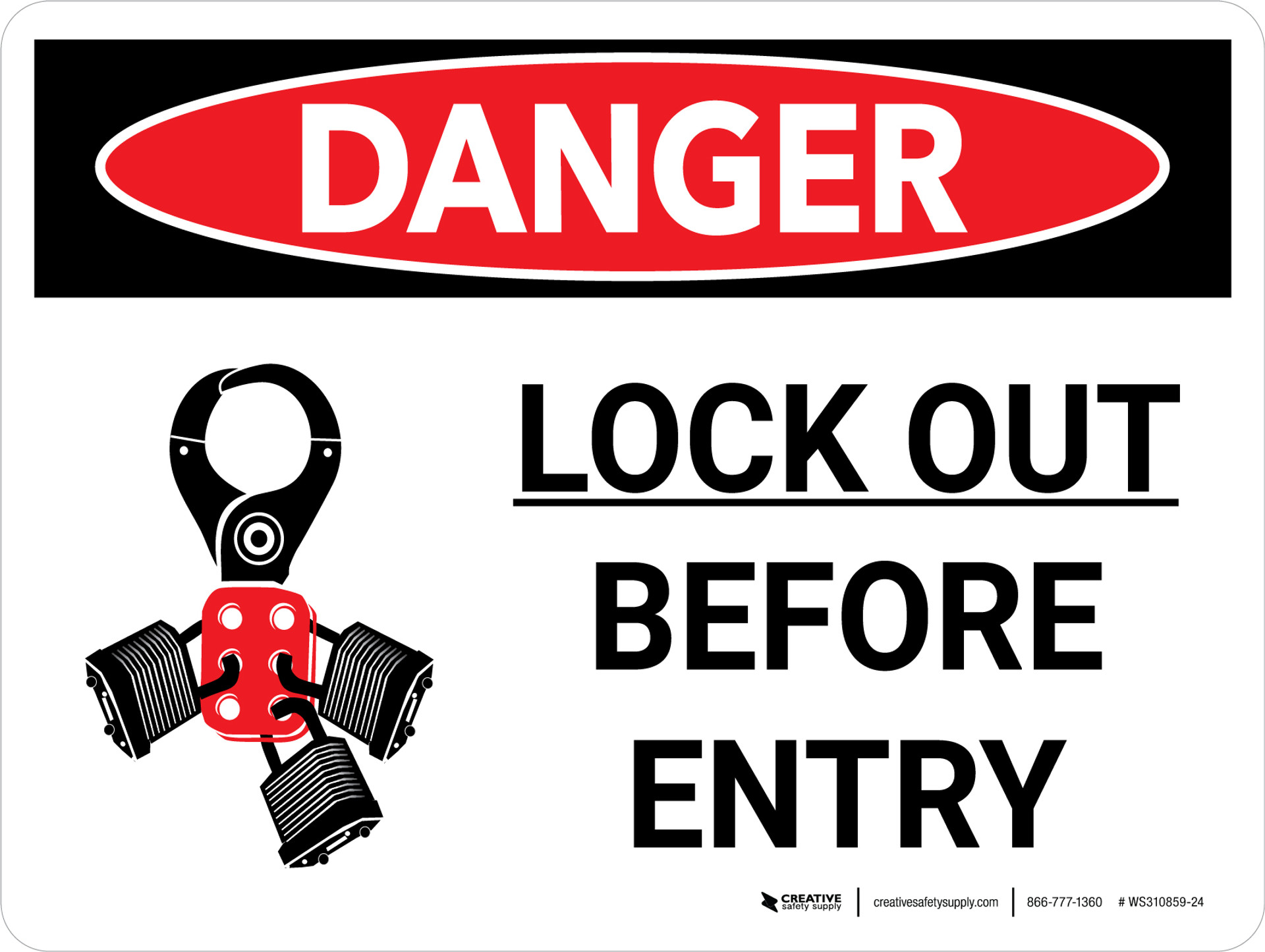
| Lockout Hasps & Group Lockout Stations | Enable multiple workers to apply locks | Crew-based maintenance tasks |
| LOTO Training Videos | Reinforce concepts visually | Onboarding new employees |
| QR Code Labels | Link to digital LOTO procedures at machine | Quick access during toolbox talks |
Choose tools that integrate into workflow—not disrupt it.
Common Misconceptions About LOTO and Toolbox Talks
“We’ve never had an accident, so we’re doing fine.” Complacency kills. The absence of incidents doesn’t mean safety is solid—it may mean luck is holding.
“Turning it off is the same as locking it out.” No. Off ≠ isolated. Residual energy can remain in springs, capacitors, or pressurized lines.
“Only maintenance needs to know LOTO.” Wrong. Operators who clear jams, adjust parts, or clean equipment must follow LOTO too.
“Toolbox talks are just for OSHA.” If that’s your mindset, they’ll fail. These talks are for people, not inspectors. Their value is measured in avoided injuries, not audit scores.
Building a Culture Where LOTO Talks Stick
The best LOTO program isn’t the one with the fanciest tags—it’s the one where every worker feels accountable.
How to make it real: - Empower workers to stop work if LOTO isn’t followed - Recognize safe behavior, not just punish violations - Include LOTO in onboarding—not as a footnote - Review near misses publicly (without blame) to reinforce learning - Rotate toolbox talk leadership—build engagement and ownership
One facility reduced LOTO violations by 70% simply by letting crew leads run the talks. When people own the message, they listen.
Final Steps: Make Your Next LOTO Toolbox Talk Count
Don’t let the next toolbox talk be another box-checked moment. Turn it into a real safety checkpoint.
- Before your next maintenance task:
- Identify the specific equipment and energy sources
- Gather the team on-site
- Walk through the exact LOTO steps
- Have each worker confirm understanding
- Document attendance and key points
One conversation can prevent a lifetime of regret. Lock it, tag it, talk about it—every time.
Frequently Asked Questions
What should be included in a LOTO toolbox talk? Equipment involved, energy sources, isolation steps, lock/tag assignment, verification method, and common risks.
How often should LOTO toolbox talks occur? At least weekly during active maintenance periods, or before any servicing—even if brief.
Who should lead a LOTO toolbox talk? A qualified person—often a supervisor, safety officer, or trained crew lead—but participation should be team-wide.
Can a LOTO toolbox talk replace formal LOTO training? No. Toolbox talks reinforce training but do not substitute for initial and annual LOTO certification.
Should contractors attend LOTO toolbox talks? Yes. Any worker interacting with equipment must understand and follow site-specific LOTO procedures.
What’s the difference between lockout and tagout? Lockout uses a physical lock to prevent energizing; tagout uses a warning tag. Lockout is preferred. Tagout alone is only allowed under strict conditions.
How do you verify a machine is de-energized? After isolation, attempt to restart the machine (safely, with all clear). Use voltage testers, pressure gauges, or other tools to confirm zero energy state.
FAQ
What should you look for in Toolbox Talk Lockout Tagout: Stay Safe During Maintenance? Focus on relevance, practical value, and how well the solution matches real user intent.
Is Toolbox Talk Lockout Tagout: Stay Safe During Maintenance suitable for beginners? That depends on the workflow, but a clear step-by-step approach usually makes it easier to start.
How do you compare options around Toolbox Talk Lockout Tagout: Stay Safe During Maintenance? Compare features, trust signals, limitations, pricing, and ease of implementation.
What mistakes should you avoid? Avoid generic choices, weak validation, and decisions based only on marketing claims.
What is the next best step? Shortlist the most relevant options, validate them quickly, and refine from real-world results.