Most safety toolbox talks fail before they even begin. They’re rushed, generic, or delivered by someone reading from a script they didn’t write. The result? Workers zone out, hazards go unaddressed, and incidents still happen. But when done right, a toolbox talk isn’t just a compliance checkbox—it’s a spark for real, lasting safety culture change.
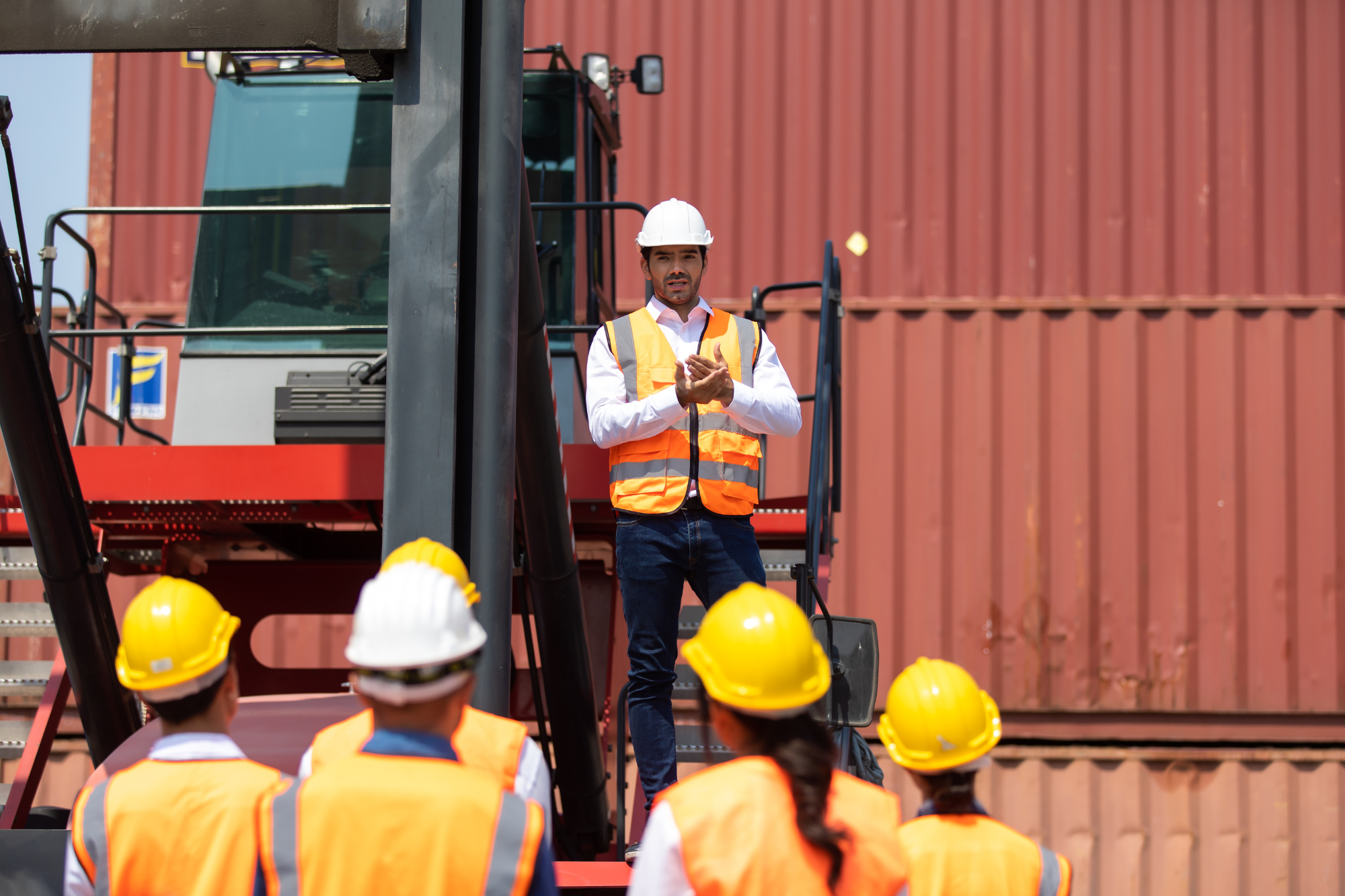
A well-run toolbox talk takes under 10 minutes and focuses on one specific hazard, procedure, or safety behavior relevant to the team’s current work. Its goal isn’t to lecture—it’s to engage, inform, and reinforce safe practices where they matter most: on the ground, in real time.
Let’s break down how to turn routine safety meetings into high-impact moments that protect lives and improve performance.
Why Most Toolbox Talks Fail (And How to Fix Them)
Toolbox talks often fall flat because they’re treated as administrative tasks, not operational tools. Common pitfalls include:
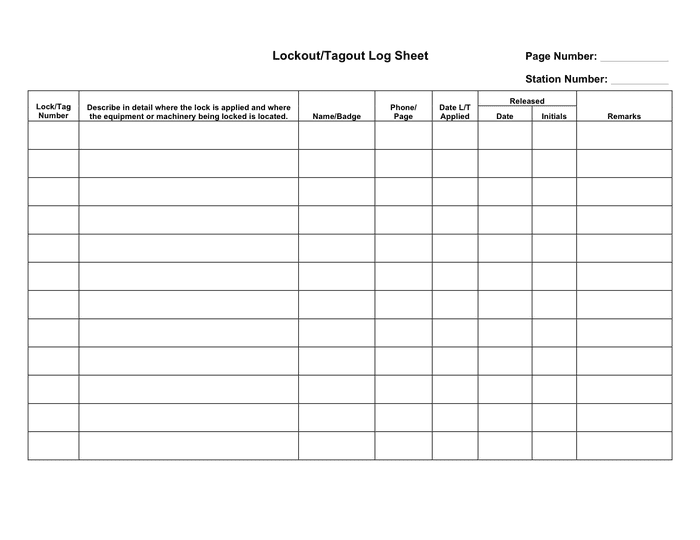
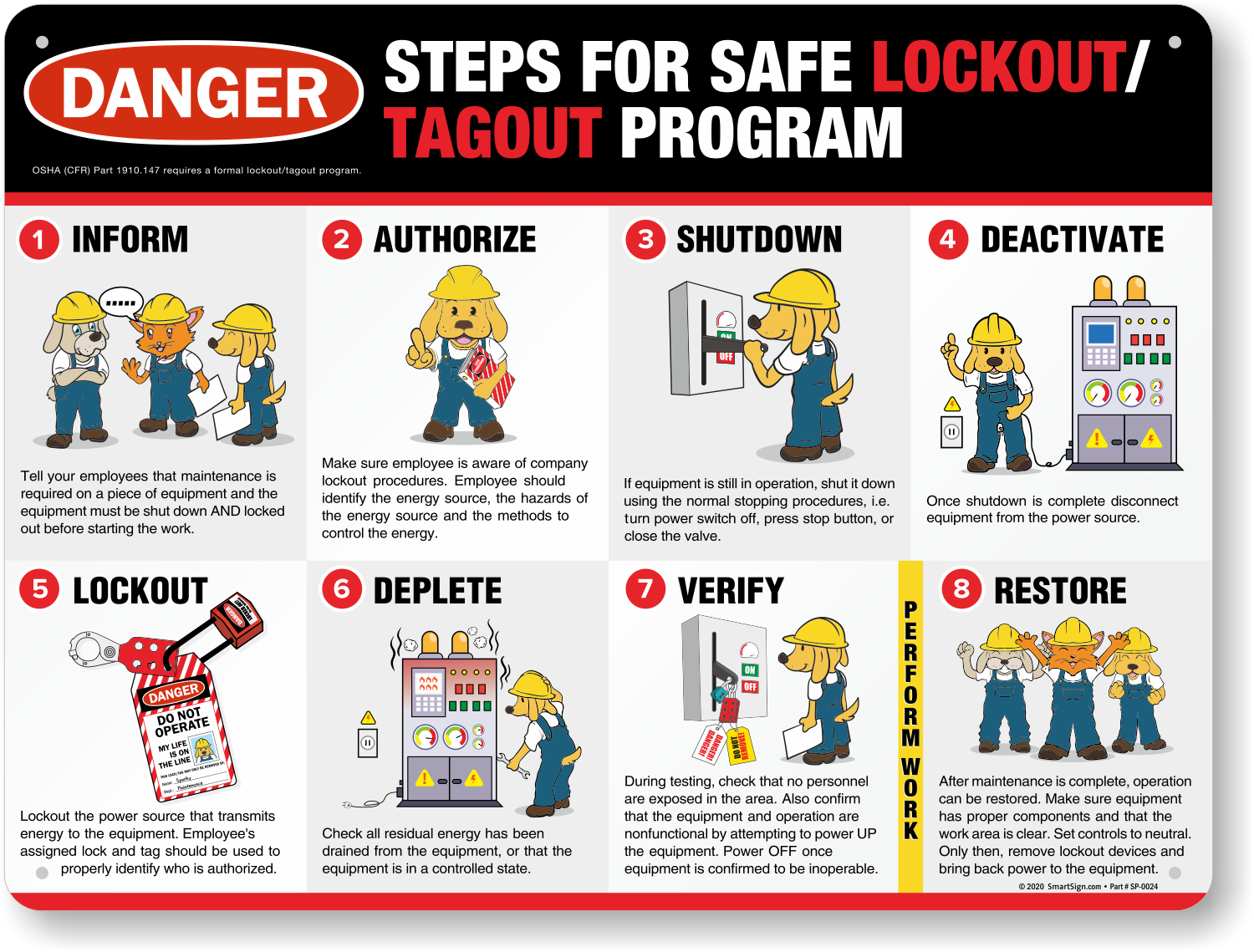
- Overgeneralization: Talking about “electrical safety” instead of “lockout/tagout procedures for the conveyor motor being serviced today.”
- Lack of engagement: One person talks; everyone else nods. No questions, no discussion.
- Poor timing: Conducted too early or too late in the shift, or after hazards have already been encountered.
- Irrelevant content: Covering topics unrelated to the day’s work or recent near-misses.
Fix it by making talks hyper-relevant. Ground every session in the actual conditions of the job site. If your crew is welding overhead, talk about fall protection and fire watch—not hard hat standards.
Example: After a near-miss involving a forklift striking a temporary barrier, a supervisor held a 7-minute talk at shift start. They used the actual incident spot, showed photos, and asked team members to suggest improvements. Result? Barrier design was upgraded the same day.
When to Hold a Toolbox Talk
Timing determines impact. A poorly timed talk is forgotten before lunch. The best moments to conduct a toolbox talk include:
- Start of shift or task – Before any work begins.
- After a near-miss or incident – While details are fresh.
- When introducing new equipment or procedures – Prevent confusion before it causes harm.
- During weather changes – Heat, rain, or cold introduce new risks.
- After a safety audit or inspection – Share findings and action steps.
Avoid holding talks when workers are fatigued, distracted, or rushing to meet deadlines. If the crew’s already working, pause for a 5-minute huddle only if a new hazard emerges.
Structuring a High-Impact Toolbox Talk
A strong toolbox talk follows a simple but deliberate format. Stick to this flow:
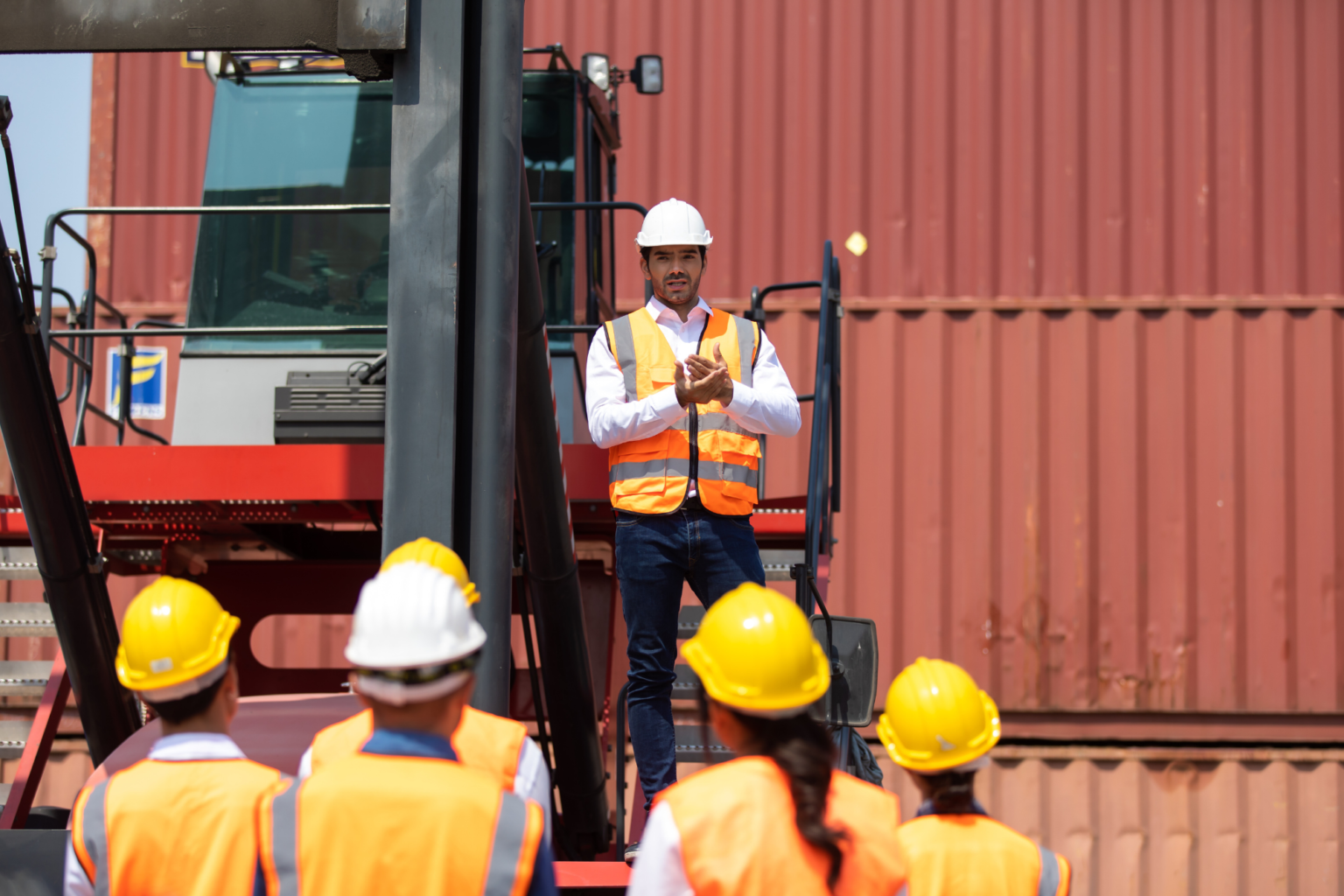
1. Grab Attention (30 seconds) Start with a question or observation: “Did you notice the icy patch near the loading dock this morning?” or “Three sites reported cuts from improperly stored rebar this week. Could that happen here?”
This triggers awareness and relevance.
2. Describe the Hazard (1–2 minutes) Explain what’s dangerous, where, and why. Use plain language.
Example: “When we cut metal with the angle grinder, sparks can travel 20 feet. If there’s flammable material nearby—even cardboard—fire can start fast.”
3. Demonstrate the Safe Practice (2 minutes) Show, don’t just tell. Demonstrate PPE use, equipment checks, or safe positioning.
If possible, have a worker model the correct behavior. Peer demonstration increases buy-in.
4. Encourage Discussion (2–3 minutes) Ask open-ended questions:
- “Where have you seen this risk before?”
- “What would you do if you saw someone skipping this step?”
- “Any suggestions to make this safer?”
Listen. Adapt. Record ideas.
5. Close with Action (30 seconds) End
with a clear takeaway:
- “Today, everyone double-checks fire extinguisher access before grinding.”
- “Report slippery areas immediately—no exceptions.”
Document attendance and topic for records, but keep it simple.
Common Topics for Maximum Impact
Not all topics are created equal. Focus on high-risk, high-frequency activities. These consistently deliver value:
| Topic | Why It Matters | Real-World Application |
|---|---|---|
| Fall Protection | Falls are the #1 cause of construction fatalities | Review harness inspection before rooftop work |
| Lockout/Tagout | 10% of serious accidents involve unexpected energization | Walk through steps before servicing a pump |
| Heat Stress | Rising temps increase fatigue and errors | Adjust work/rest cycles during summer |
| Hand Safety | Hand injuries are common but preventable | Demonstrate pinch-point awareness near machinery |
| Ladder Use | Improper setup causes avoidable falls | Inspect and test ladder angle before climbing |
Rotate topics based on project phase, season, and incident data. Use past near-misses as springboards.
Who Should Lead the Talk?
It doesn’t have to be the safety manager. In fact, it shouldn’t be every time.
Best facilitators: - Supervisors familiar with the work - Experienced crew members - Workers who’ve experienced or prevented an incident
Rotating leaders builds ownership and uncovers frontline insights. A laborer leading a talk on silica dust exposure brings credibility no manager can match.
Pro Tip: Train 2–3 team members per crew to deliver talks. Use role-playing during training to build confidence.
Avoid having the same person drone through slides every week. Repetition without variation breeds complacency.
Making Toolbox Talks Interactive (Without Wasting Time)
Engagement doesn’t require games or handouts. Try these quick techniques:
- Show and Tell: Bring a damaged glove or faulty tool. Ask: “What went wrong here?”
- Scenario Drill: “If the fire alarm sounds during concrete pour, what’s step one?”
- Peer Teaching: Assign a worker to explain how they inspect their harness.
- Spot the Hazard: Use a photo of the actual jobsite. Challenge the team to identify risks.
Interaction increases retention. Workers remember what they say, not what they hear.
Pitfalls to Avoid
Even experienced teams make these mistakes:
- Reading from a template without adaptation – “Today’s talk is on PPE.” (Yawn.)
- Ignoring site-specific conditions – Talking about trench safety on a roofing job.
- No follow-up – Identifying a hazard but not fixing it.
- Skipping documentation – If it’s not recorded, it didn’t happen (to auditors).
- One-size-fits-all delivery – A talk for electricians shouldn’t be the same as one for cleaners.
Fix these by anchoring every talk to the specific task, team, and timeline.
Sustaining a Culture of Safety Conversations
A single great talk won’t change culture. Consistency does.
Build habits by: - Scheduling talks at the same time daily or weekly - Posting topics in advance - Reviewing past talks in safety audits - Recognizing workers who contribute ideas - Integrating feedback into safety plans
At one refinery, crews started ending each talk with: “One thing I’ll do differently today…” Simple, personal, powerful. Incident rates dropped 35% over six months.
Real-World Use Cases That Worked
Case 1: Preventing Struck-by Incidents Issue: Workers crossing active haul roads at a quarry. Talk Focus: High-visibility clothing and communication protocol. Action: Introduced hand signals and mandatory vests. Supervisor led talk at the access point. Result: Zero struck-by incidents in 10 months.
Case 2: Confined Space Entry Issue: Crew preparing to enter a tank. Talk Focus: Atmospheric testing and retrieval setup. Action: Lead technician walked through each step with equipment. Team rehearsed rescue. Result: Unsafe oxygen levels detected during pre-entry—entry delayed, lives protected.
Case 3: Night Shift Fatigue Issue: Increased errors during second week of night rotation. Talk Focus: Signs of fatigue and buddy-check system. Action: Implemented 5-minute check-ins every 2 hours. Result: Near-misses dropped by half.
Final Word: Make Every Minute Count
Toolbox talks aren’t about checking a box. They’re about starting conversations that save lives. The best ones are short, sharp, and rooted in reality. They turn safety from a policy into a practice.
Stop delivering monologues. Start having dialogues. Pick one hazard. Talk to your team. Act on what they say. Do it tomorrow—and every day after.
When toolbox talks reflect the real work, in the real moment, they don’t just inform. They transform.
FAQ
What should you look for in Workplace Safety Toolbox Talks That Actually Work? Focus on relevance, practical value, and how well the solution matches real user intent.
Is Workplace Safety Toolbox Talks That Actually Work suitable for beginners? That depends on the workflow, but a clear step-by-step approach usually makes it easier to start.
How do you compare options around Workplace Safety Toolbox Talks That Actually Work? Compare features, trust signals, limitations, pricing, and ease of implementation.
What mistakes should you avoid? Avoid generic choices, weak validation, and decisions based only on marketing claims.
What is the next best step? Shortlist the most relevant options, validate them quickly, and refine from real-world results.