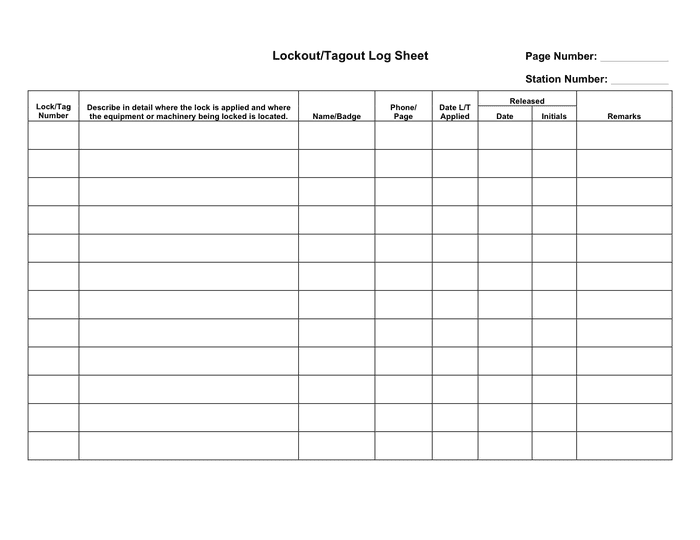
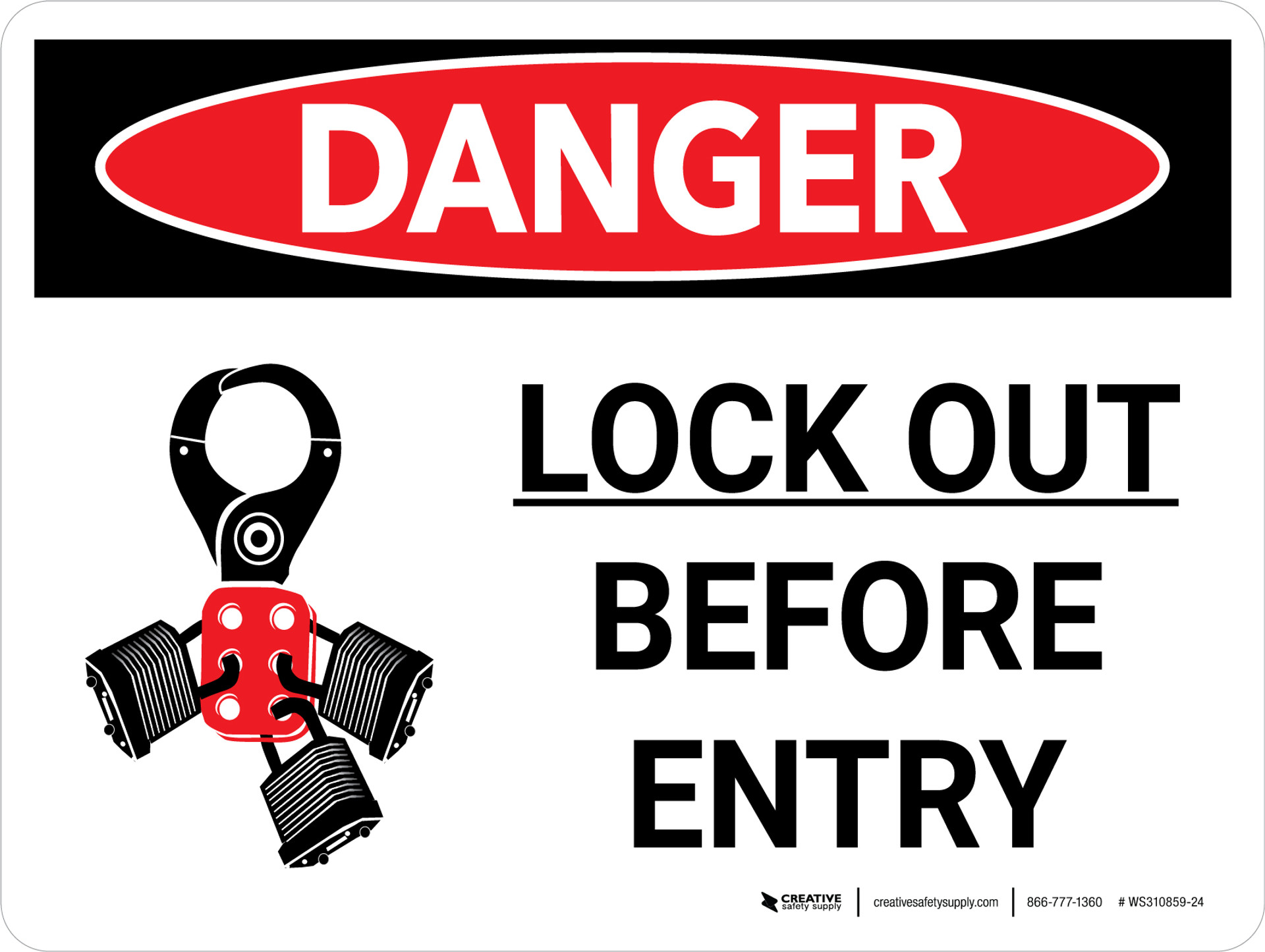
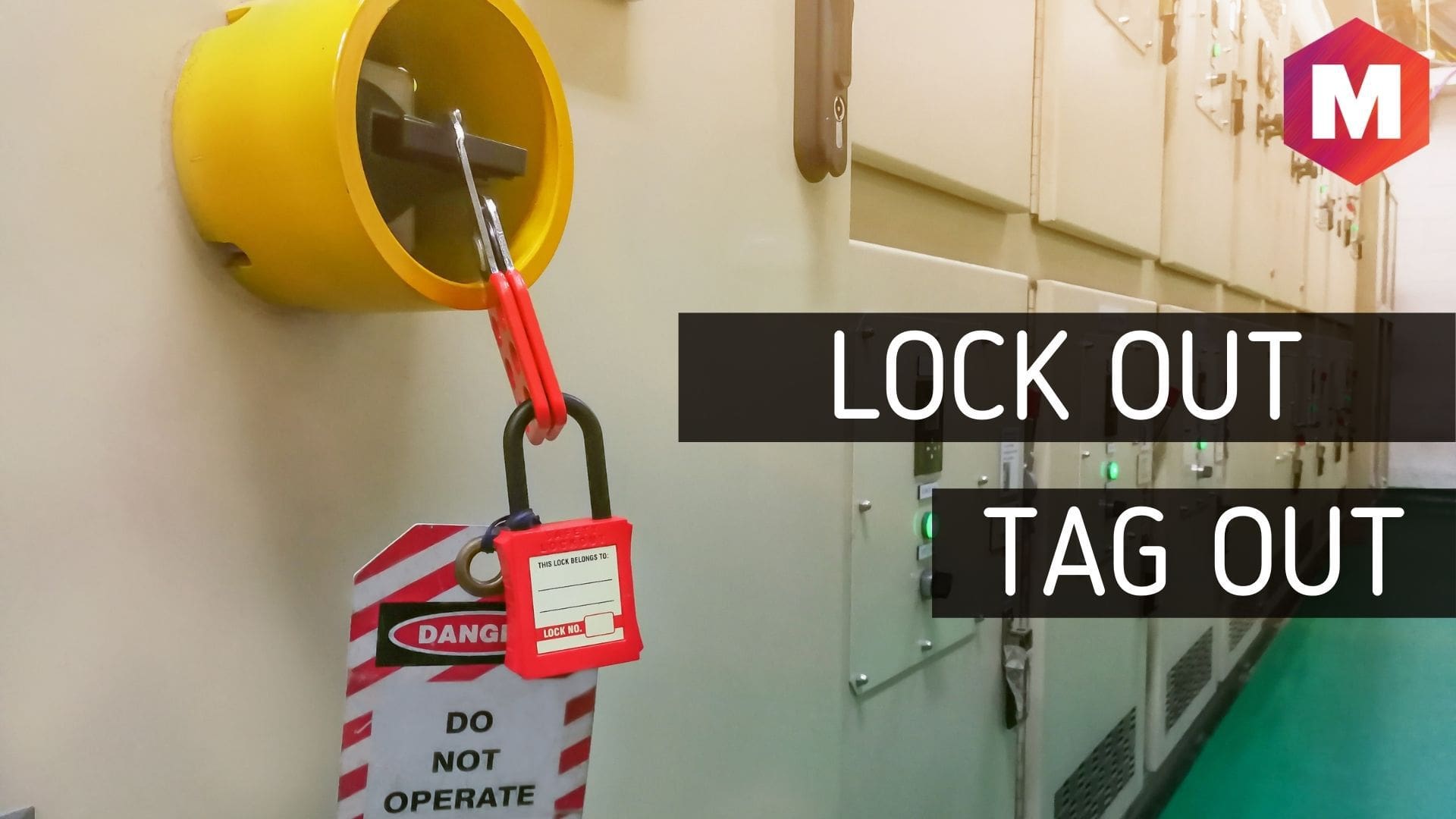
Machines fail. Procedures get ignored. And too often, someone pays the price. A missing lockout tag during maintenance can lead to severe injury—or worse. That’s why printable lockout tag PDF examples aren’t just administrative formalities—they’re frontline defenses in industrial safety.
These templates serve as ready-to-use, customizable tools that align with OSHA’s Lockout/Tagout (LOTO) standards. Whether you're managing a small workshop or a full-scale manufacturing plant, having accessible, professional lockout tags ensures consistency, clarity, and compliance.
Below, we dive into why printable PDFs matter, what makes an effective lockout tag, and where to find reliable examples you can use immediately.
Why Printable Lockout Tag PDFs Are Essential
Lockout tagout procedures protect workers during equipment servicing by ensuring energy sources are isolated and secured. But a procedure is only as strong as its execution. That’s where printable PDFs come in.
They solve real-world problems: - Consistency across teams: Every technician uses the same format. - Quick deployment: Print on demand without design delays. - Compliance readiness: Templates designed with OSHA guidelines in mind reduce audit risk. - Customization: Add company logos, site-specific warnings, or language variants.
Without standardized tags, facilities fall into dangerous inconsistencies—handwritten notes, reused tags, or missing information. A well-designed printable PDF eliminates guesswork and raises safety accountability.
What Makes an Effective Lockout Tag
A lockout tag isn’t just a piece of paper—it’s a legal and safety document. OSHA 29 CFR 1910.147 requires that tags include specific elements to be valid. Use this checklist when evaluating or creating your printable lockout tag PDF:
Mandatory Tag Elements
- Clear “Do Not Operate” warning in bold, high-contrast text
- Name of the authorized employee applying the lock
- Date and time of lockout
- Reason for lockout (e.g., “Motor repair,” “Hydraulic system maintenance”)
- Equipment ID or location (e.g., “Pump #4,” “Conveyor Line B”)
- Contact information for the person responsible
Design Best Practices
- Durable material: Use water-resistant or laminated paper
- Tear-resistant construction: Avoid flimsy paper that can rip during shifts
- Universal symbols: Include icons for electricity, pressure, motion, etc.
- Multilingual support: Especially useful in diverse workforces
- Barcode or QR code field: Optional but growing in use for digital tracking
A tag missing any of these elements may not hold up during an OSHA inspection—and more importantly, may not stop an accidental startup.
Pro Tip: Never use lockout tags as standalone controls. Tags must accompany physical locks. Tags warn; locks prevent.

Common Mistakes with Printable Lockout Tags
Even with templates, teams make critical errors. Here are the most frequent missteps—and how to avoid them:
1. Using Generic Templates Without Customization
Many free PDFs online are overly generic. They might say “Machine in Repair” but lack fields for employee name or equipment ID. Result? Users skip sections, assuming they’re optional.
Fix: Choose templates with clearly labeled, required fields. Customize with your company header and safety policy number.
2. Poor Print Quality Printing on standard printer paper means tags fade, smudge, or tear. In wet or oily environments, they become unreadable within hours.
Fix: Print on synthetic paper or laminate tags. Use bold, sans-serif fonts for readability.
3. Reusing Tags Some workers remove a tag, scribble new info, and reattach it. This violates OSHA rules and defeats the purpose of accountability.
Fix: Design your PDF to include a “Void After Use” watermark or use one-time tear-off sections.
4. Ignoring Language Barriers In multilingual workplaces, a tag in English alone is ineffective. A Spanish-speaking technician might not understand the warning.
Fix: Use bilingual templates (e.g., English/Spanish) or include pictograms that transcend language.
5 Printable Lockout Tag PDF Examples You Can Use
Below are five reliable, downloadable PDF examples—each suited for different operational needs. All are free, editable (in most cases), and aligned with OSHA standards.
| Template | Best For | Key Features | Download Source |
|---|---|---|---|
| OSHA-Compliant LOTO Tag (Standard) | General manufacturing | Fields for name, date, equipment, reason; bilingual option | OSHA.gov resources or safety supply sites |
| Heavy Equipment Lockout Tag | Construction, mining | Weather-resistant design, large warning text, hazard icons | Grainger, SafetySign.com |
| Electrical Isolation Tag | Electrical maintenance | High-voltage symbols, arc-flash warnings, double-lock field | NFPA 70E-aligned templates from EHS providers |
| Valve Isolation Tag | Oil & gas, chemical plants | Color-coded zones, fluid type field, dual-language support | Industry-specific safety portals |
| Blank Customizable Template | Internal branding | Editable fields, logo placeholder, QR code section | Canva, Template.net, or internal EHS tools |
Note: Always verify that downloaded templates meet your region’s regulations. OSHA rules apply in the U.S.; other countries may have stricter or different requirements (e.g., CSA Z460 in Canada).
How to Implement Printable Tags in Your Workflow
A PDF is only useful if it’s part of a living process. Here’s how to integrate printable lockout tags effectively:
Step 1: Audit Your Equipment List all machines requiring LOTO procedures. Group them by energy type: electrical, pneumatic, hydraulic, chemical, etc.
Step 2: Assign Tag Types Use different colored tags for different hazards:
- Red: Electrical
- Yellow: Mechanical
- Blue: Pneumatic
- Green: Return to Service
Color-coding speeds up recognition during emergencies.
Step 3: Print and Distribute Print tags on durable paper and store them near LOTO stations or maintenance lockboxes. Avoid central-only storage—technicians should access them on-site.
Step 4: Train Your Team Conduct hands-on drills where workers:
- Select the correct tag
- Fill it out completely
- Apply it with a lock
- Demonstrate retrieval procedure
Step 5: Audit Monthly Randomly inspect 5–10 active lockout tags each month. Check for: - Correct information - Legibility - Proper lock pairing - No reuse
Document findings and retrain if gaps appear.
Real Use Case: A food processing plant reduced LOTO violations by 70% after switching to color-coded, printable PDF tags and monthly audits. The change took two weeks and cost under $200 in printing.
Where to Find Trusted PDF Templates
Not all free templates are created equal. Here’s where to find reliable sources:
- OSHA’s Website: Offers basic, regulation-aligned examples. Not flashy, but legally sound.
- Safety Equipment Suppliers: Grainger, Brady, and SafetySign.com provide branded, durable-ready PDFs.
- Industry Associations: NFPA, ASSE, and AIHA often publish sector-specific templates.
- Internal EHS Software: Platforms like EHS Insight or Safesite allow PDF export of custom tags.
Avoid random blog downloads. Files from unverified sites may contain malware or outdated standards.
Customizing Your Own Lockout Tag PDF
Want full control? Build your own template using tools like: - Adobe Acrobat (for form fields and branding) - Canva (for visual design) - Microsoft Word (export as PDF)
Design Tips: - Use 11pt minimum font size - Leave 1” margins for hole punches - Include a company logo for authority - Add a “Return to Service” authorization line
Once designed, save as a master PDF and restrict editing to authorized personnel only.
Limitation: PDFs are static. For dynamic tracking (e.g., digital logs, expiration alerts), consider moving to a digital LOTO system—but printable PDFs remain essential for backup and low-tech environments.
Closing: Make Safety Actionable
Printable lockout tag PDF examples are more than documents—they’re tools that protect lives. The right template, properly used, turns compliance from a box-ticking exercise into a culture of accountability.
Don’t wait for an incident to validate your LOTO process. Download a sample PDF today, customize it for your site, print a batch, and run a drill. In under an hour, you could close a critical safety gap.
Because when machines are silent, your lockout tags should be loud.
Frequently Asked Questions
What should a lockout tag include? Name of the worker, date/time, equipment ID, reason for lockout, and contact details. OSHA requires clear “Do Not Operate” warnings.
Can I use a printed tag without a lock? No. Tags alone are not sufficient. They must be paired with a physical lock that isolates the energy source.
Are free printable PDFs OSHA-compliant? Some are—but verify that they include all required fields and durable design features before use.
How long can a lockout tag stay in place? Until the authorized employee who applied it removes it. Tags should never be removed by others, even after shift changes.
Can I reuse a printed lockout tag? No. Tags are single-use. Reusing them violates safety standards and can lead to accidents.
Should lockout tags be laminated? Yes, especially in wet, oily, or outdoor environments. Lamination improves durability and readability.
Where should I store printable tags? Near LOTO stations, maintenance lockers, or equipment control panels—accessible but secure.
FAQ
What should you look for in Printable Lockout Tag PDF Examples for Safety Compliance? Focus on relevance, practical value, and how well the solution matches real user intent.
Is Printable Lockout Tag PDF Examples for Safety Compliance suitable for beginners? That depends on the workflow, but a clear step-by-step approach usually makes it easier to start.
How do you compare options around Printable Lockout Tag PDF Examples for Safety Compliance? Compare features, trust signals, limitations, pricing, and ease of implementation.
What mistakes should you avoid? Avoid generic choices, weak validation, and decisions based only on marketing claims.
What is the next best step? Shortlist the most relevant options, validate them quickly, and refine from real-world results.